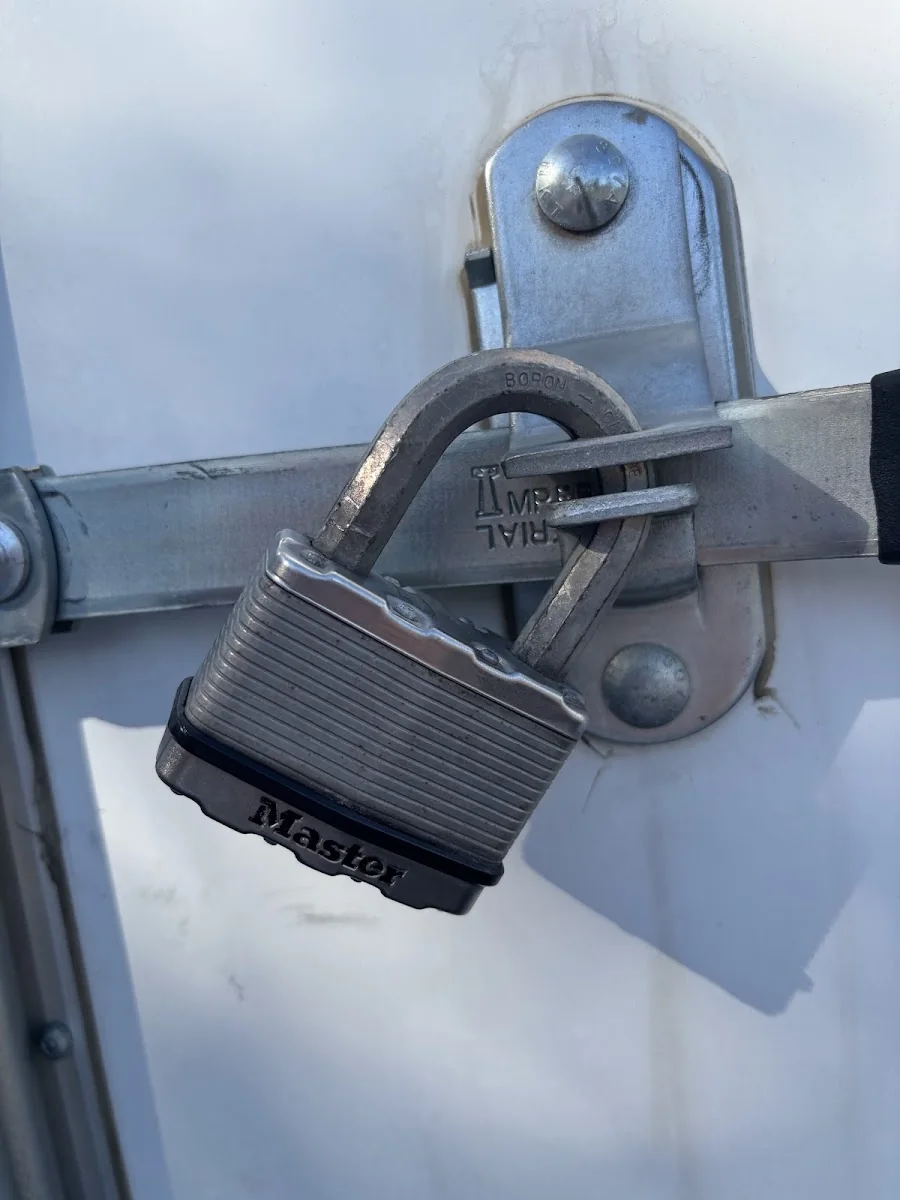
The shackle diameter and usable clearance affect whether the padlock fits the hasp or enclosure. Product suitability also depends on the intended environment and application. Measure the attachment arrangement and consult the manufacturer’s specifications. A larger body can look stronger while failing to fit correctly or leaving the assembly awkward to operate.
Do not transfer maintenance chemicals or procedures between unrelated products. An outdoor padlock and an electronic deadbolt have different mechanisms, finishes and openings. Use each manufacturer’s instructions for the exact device. If a padlock remains difficult after the approved care routine, describe the problem rather than adding several different lubricants.
No. Reset eligibility and the required current access state vary by model. Use the manufacturer’s instructions for the exact padlock and stop if its controls do not match the guide. Do not assume that a procedure for an open, known-combination lock is also a recovery method for a locked padlock with an unknown combination.
Describe the person’s practical difficulty, such as gripping, turning or reaching the existing hardware, and identify the door. Consider a suitable operating style with a qualified installer and the person who will use it. Do not assume a decorative lever solves every access need. Applicable accessibility requirements require review of the actual setting.
Follow the rental provider’s return and account-removal process, and retain confirmation of what was returned and when. Review whether any personal account link or credentials need to be removed through the supported procedure. Do not assume physically handing over the device automatically transfers its digital ownership. Keep the provider’s instructions with the return record.
Only if those tasks are actually included. Describe damaged wood, frame movement or other known conditions before booking and ask which work the provider undertakes. Some projects need coordination with another trade. A clear written scope should identify the proposed lock work, any prerequisite repairs and how additional findings will be handled before costs change.
Keep the broken pieces and stop inserting other objects into the lock. Tell the locksmith whether the door is open or closed, whether the fragment is visible and whether the lock was already difficult to use. Removal and repair may be separate parts of the job.
Rekeying changes which key operates a compatible lock while retaining much of its hardware. Replacement changes the hardware itself. The right choice depends on condition, compatibility and whether you want different features, not simply on how many keys have been lost.
After taking authorized possession of a home, make a list of every exterior lock and every way someone can enter. Changing mechanical key access is only one part of the handover: garage controls, gate access and smart-lock users may need separate attention.
Many compatible locks can be keyed alike, but different keyways or lock designs may prevent a single-key arrangement without changing hardware. Send photos and brand information before the visit so the locksmith can assess the actual locks rather than promise compatibility by appearance.
A deadbolt that moves freely with the door open but binds when it is closed may be meeting resistance at the door frame. Explain that difference to the locksmith. Replacing a key or adding a smart motor will not necessarily resolve the alignment problem.
Choose a smart lock after checking the door, current hardware and the features you will actually use. Door preparation, bolt alignment, power requirements, account setup and backup access matter as much as the app or finish shown on the box.
Rapid battery drain can have more than one cause. Describe battery type, the frequency of use, alerts and any resistance while the bolt moves. The correct product's troubleshooting guide should lead the diagnosis instead of a generic reset procedure found online.
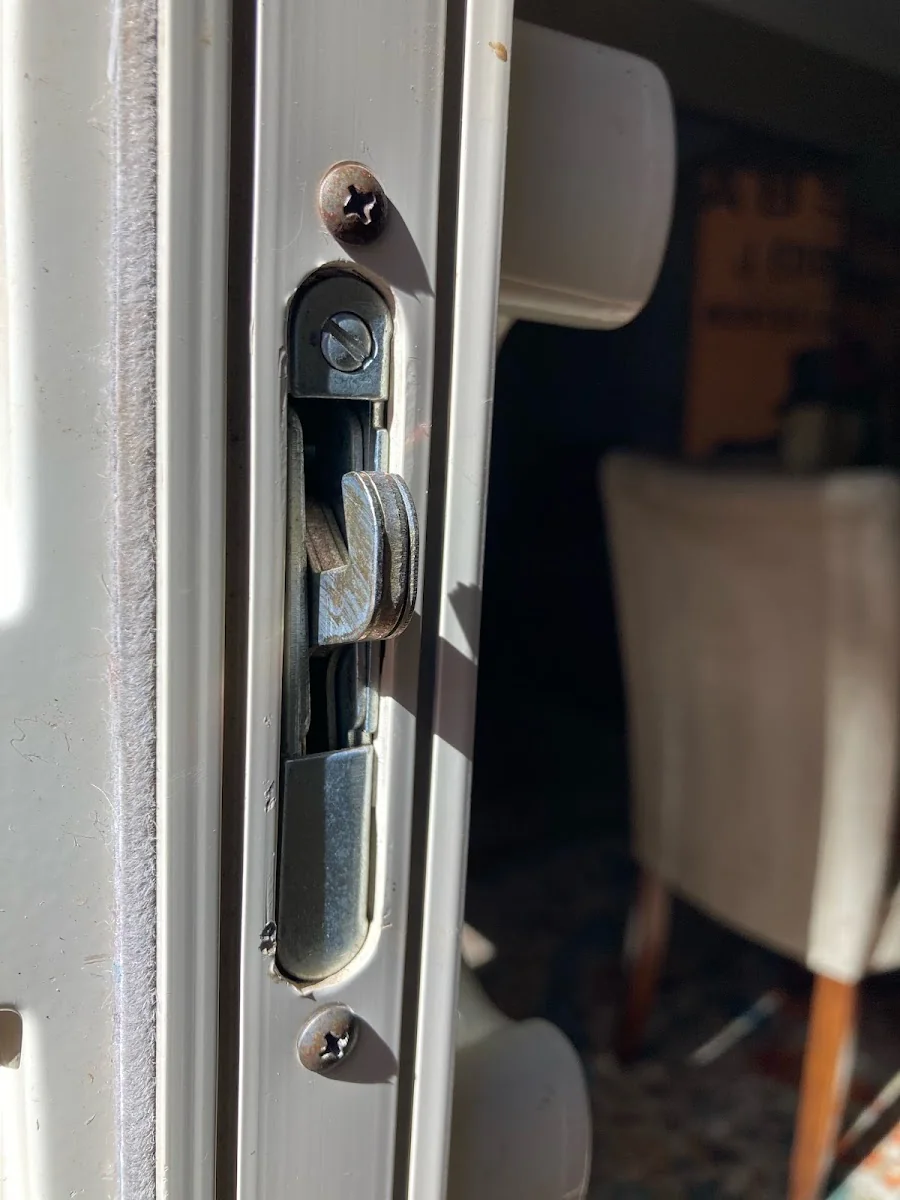
A sliding door that will not lock may have a latch fault, a strike-alignment problem or a door that is not reaching the right position. Send photos of the handle, door edge and frame receiver. Similar-looking replacement handles do not always share the same lock mechanism.
Removing a paired phone requires the lock Owner account and a nearby Bluetooth connection. Kwikset does not allow removal of the phone currently being used. Identify the old device first so you remove the intended pairing.
Halo Select and earlier Halo locks use different reconnection paths. A changed Wi-Fi password does not automatically mean the lock needs a factory reset. Identify the model, network band and security setting before choosing the appropriate instructions.
A Kwikset factory reset can remove codes, associations and settings, so it should be a deliberate ownership or troubleshooting step. Its effects differ by model. Plan the new setup before erasing an occupied home's existing access.
Aura and Aura Reach have separate ratings for the outdoor and indoor assemblies. The exterior rating does not apply to both sides. Compare the actual installation conditions with the correct model's published limits before selecting hardware.
On the original Aura Deadbolt, numerical buttons do not illuminate the keypad. Kwikset instructs using the one-touch locking button to wake it. A dark keypad after pressing a number alone does not establish a failed lock.
Kwikset Obsidian provides external terminals for temporary power from a 9V battery. That power does not replace authentication: a valid user code is still required. This method addresses depleted internal batteries, not every possible lock fault.
Kwikset recommends a broader touch to wake Obsidian: several fingers, a palm or the back of a hand. If the screen remains unresponsive, check the battery installation and connecting cable rather than immediately assuming programming was lost.
For certain SmartCode keypad deadbolts and levers that exhaust batteries within a week, Kwikset gives a keypad-beep diagnostic. Fresh batteries and switch 3 in the ON position establish the test conditions; each button should then be checked individually.
On the Kwikset lever arrangement described by its support page, the retaining screw can remain in the shaft when the handle comes off. Inspect the shaft before ordering a replacement screw or assuming the complete lock must be replaced.
A SmartCode 917 may fit below many Kwikset SmartCode deadbolts when the existing door has the specified hole spacing. Product names alone do not prove the two assemblies will clear each other. Check the door and dimension guide together.