Home locks
Lock repair and unfinished door work: make the estimate cover the real problem
Only if those tasks are actually included. Describe damaged wood, frame movement or other known conditions before booking and ask which work the provider undertakes. Some projects need coordination with another trade. A clear written scope should identify the proposed lock work, any prerequisite repairs and how additional findings will be handled before costs change.
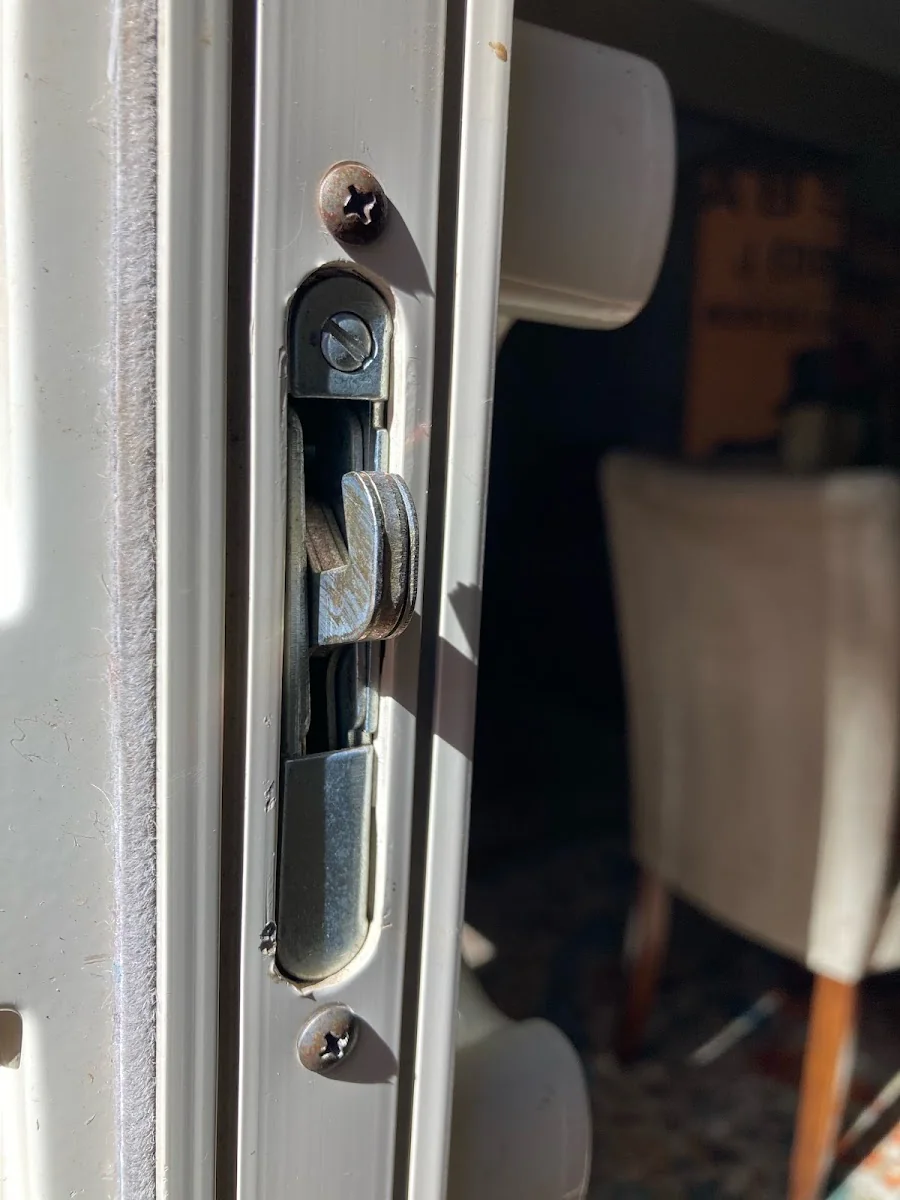
Describe the opening rather than only the lock
A door can have a hardware fault alongside damaged material, frame movement or unfinished repair work. Tell the provider about those conditions before asking for a lock-only price. A new mechanism may not resolve a problem whose cause also involves the surrounding opening. The useful request identifies what happens during normal use and what other work is known to be incomplete.
Separate observations from proposed causes
Say that the door rubs, the bolt meets resistance or the surrounding wood is damaged, rather than declaring that a particular replacement will fix everything. Photographs and a short history can help the provider assess the scope. Kwikset's alignment guidance shows why the door and bolt relationship can matter in smart-lock troubleshooting. Its product context should not be stretched into a universal diagnosis for every damaged entrance.
Identify prerequisite work
Ask whether the proposed lock service can be completed on the door in its present condition or whether another repair must happen first. Clarify which provider undertakes that work and who confirms readiness afterward. A quote that excludes necessary door repair is not necessarily wrong, but the exclusion needs a practical owner and sequence. Otherwise the project can stall between trades despite each having completed its limited task.
Agree how additional findings are handled
The initial description may not reveal every condition. Ask how the provider will explain findings and obtain authorization before changing the scope or cost. Keep the discussion connected to the actual opening rather than approving an unspecified list of possible replacements. A clear decision point helps the owner understand whether new hardware, door repair or further assessment is being proposed and why it affects the agreed result.
Review the completed opening
At handover, check the normal functions included in the work and record any remaining limitation. Do not describe a fitted lock as a fully repaired doorway if relevant unfinished work still prevents ordinary operation. Keep the hardware and door-repair records together so future support can see the sequence. A good estimate leads to an understandable complete result, or a clearly documented next step, instead of hiding the broader problem behind a new handle.
Before you call
- Disclose known door and frame conditions before the estimate.
- Assign prerequisite repairs and the order of work explicitly.
- Record the complete opening's result, including unresolved limitations.
Follow-up questions
Can a locksmith estimate legitimately exclude carpentry or frame repair?
Yes, if the scope is clear and the necessary work is assigned appropriately. Understand prerequisites and sequencing so the excluded task does not remain an unowned obstacle.
Does installing a new lock prove the whole doorway has been repaired?
No. Confirm normal operation and any remaining door or frame condition. The completion record should describe what was actually resolved and what still requires attention.
Official reference
Kwikset: checking smart-lock door alignment ↗
Manufacturer troubleshooting for bolt and door alignment. Check the instructions for your own model.
Published by AID Locksmith, owned by Allan, serving Greater Sacramento. General service checklists are editorial guidance; product instructions apply to the named model.