Home locks
Padlock maintenance advice does not automatically apply to a smart deadbolt
Do not transfer maintenance chemicals or procedures between unrelated products. An outdoor padlock and an electronic deadbolt have different mechanisms, finishes and openings. Use each manufacturer’s instructions for the exact device. If a padlock remains difficult after the approved care routine, describe the problem rather than adding several different lubricants.
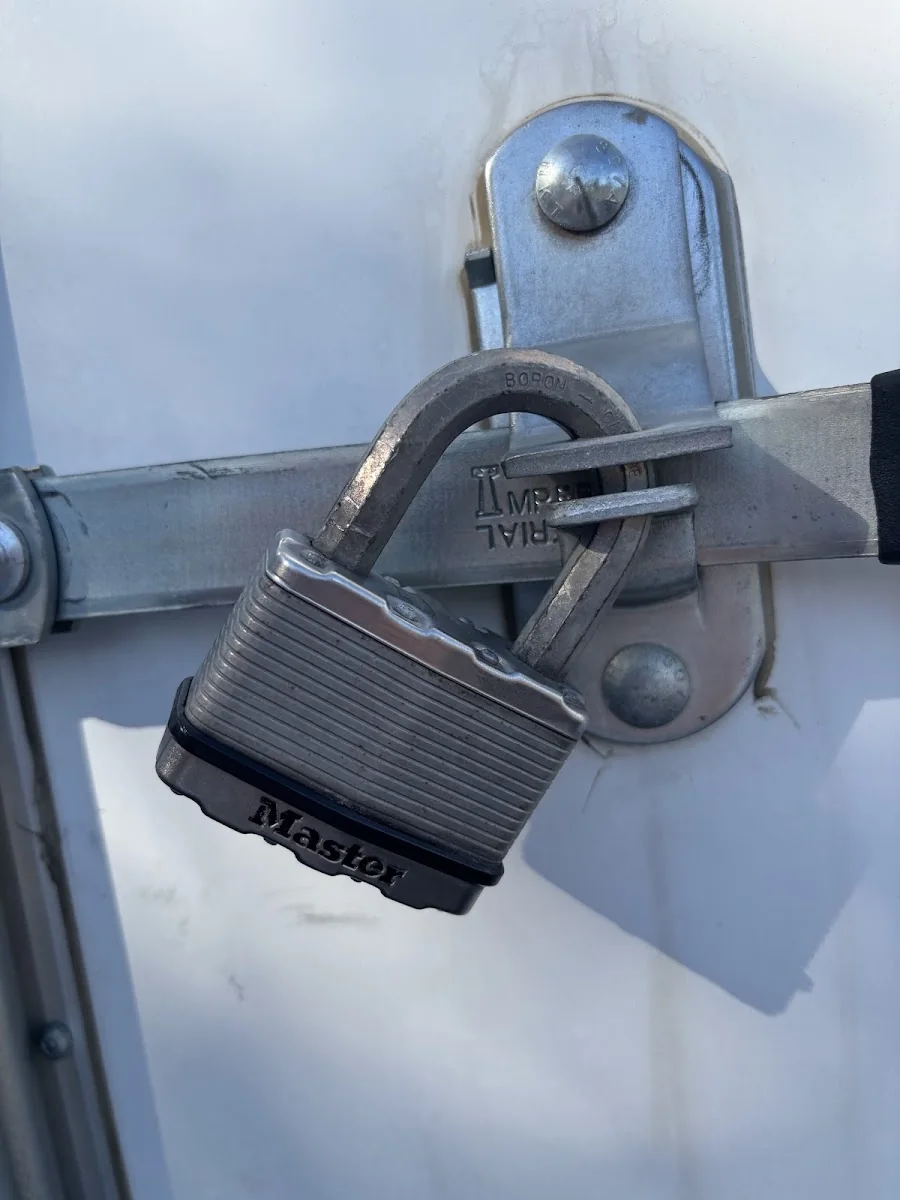
Start with the device receiving the treatment
A padlock and an electronic deadbolt can have different mechanisms, finishes and openings. A maintenance product appropriate for one should not be transferred to the other simply because both are locks. Identify the exact device and consult its own manufacturer guidance. The useful question is what care that product supports, not which household lubricant happened to improve a different object last month.
Separate external cleaning from internal maintenance
Removing surface dirt is a different task from applying an approved treatment to a mechanism. Do not put a surface-cleaning chemical into a key opening because the exterior looks cleaner afterward. Likewise, a mechanical-care product may be unsuitable for a coating or keypad. Read where the manufacturer says a product may be applied and preserve that distinction in any instructions shared with household cleaners or staff.
Avoid mixing several attempted solutions
If a lock remains difficult after an appropriate maintenance step, adding unrelated chemicals can obscure the original condition. Record what was used and when, then seek product support or a qualified assessment. Do not hide previous treatments from the provider. The present symptom may need diagnosis of wear, damage or fit rather than another application from a general-purpose spray can.
Use the correct manufacturer's support route
Master Lock's maintenance and replacement support is a starting point for its products; it is not a smart-deadbolt manual. For an electronic door lock, locate the exact model's care and troubleshooting information from its own manufacturer. Avoid treating similar terminology across sites as evidence of interchangeable procedures. A useful support record identifies the device, the actual symptom and the maintenance already performed.
Make care instructions easy to follow
For several different locks, keep a short product-specific maintenance record instead of one universal instruction taped inside a supply cabinet. Identify the approved routine and responsible person without including access credentials. If service changes the hardware, update the care information too. This helps prevent a well-intentioned helper from repeating an old procedure on a newly installed device with different materials or electronic components.
Before you call
- Identify the exact device before selecting a care product.
- Keep exterior cleaning and mechanism maintenance separate.
- Record prior treatments and avoid layering unrelated chemicals.
Follow-up questions
Can a lubricant recommended for one padlock be assumed safe for a keypad lock?
No. Check the exact electronic lock's instructions and the intended application location. Similar purpose does not establish compatible materials or maintenance procedures.
What should I tell a technician after several products were already applied?
Identify each product, approximate timing and the observed result as accurately as possible. That history is useful for assessing the current condition without guessing at the original state.
Official reference
Master Lock: maintenance and replacements ↗
Manufacturer support entry point for its products. Consult the exact model instructions before applying maintenance products.
Published by AID Locksmith, owned by Allan, serving Greater Sacramento. General service checklists are editorial guidance; product instructions apply to the named model.