Home locks
Deadbolt works with the door open but not closed
A deadbolt that moves freely with the door open but binds when it is closed may be meeting resistance at the door frame. Explain that difference to the locksmith. Replacing a key or adding a smart motor will not necessarily resolve the alignment problem.
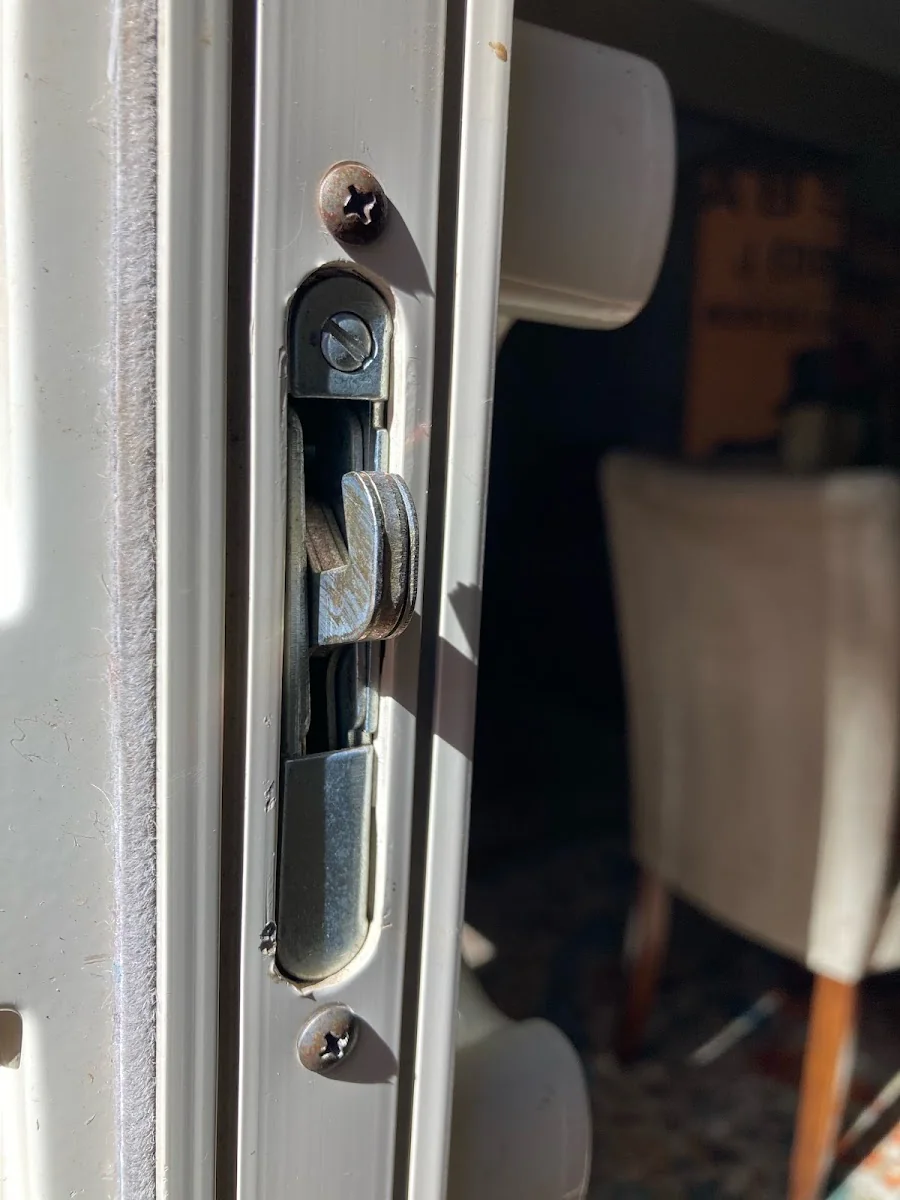
Report the open-door comparison
If you can test safely while retaining access, describe how the bolt moves in each position. Note whether the door must be pushed, lifted or pulled before the bolt turns. These observations help a technician distinguish cylinder operation from fit against the strike.
Look beyond the lock itself
Hinges, a shifting door, seals and the frame can influence how the bolt lines up. A recently installed lock may also need its fit checked. Do not force a powered smart lock repeatedly against resistance while trying to diagnose the problem.
Ask for the installation to be tested as a system
A satisfactory result includes the door closing and the bolt operating through its intended travel. Ask the technician to test from both sides and explain any frame or door work that falls outside the locksmith repair.
Record when the resistance appears
Observe the difference without repeatedly forcing the bolt. Note whether lifting, pushing or pulling the door changes the symptom, and whether it began after weatherstripping, painting or hinge work. These observations help separate bolt movement from the door's resting position. Avoid enlarging the strike opening before the cause is understood; a rushed modification can leave an insecure or poorly fitting installation.
Check the complete locking cycle after adjustment
Ask for a demonstration from both sides of the door, including normal closing and full bolt travel. With a powered lock, repeat the intended electronic operation after the mechanical movement is smooth. A successful cycle with the door held in a special position does not demonstrate everyday reliability. Explain if the problem varies through the day so the technician understands the conditions.
Before you call
- Describe operation with the door open and closed
- Report lifting or pushing needed to lock
- Mention recent door or weatherseal changes
- Test smooth bolt travel after adjustment
Follow-up questions
Should I keep pulling the door while it locks?
Tell the locksmith that pressure is required. It is a useful symptom, but relying on it can hide a door or strike problem that needs correction.
Would fitting a stronger smart-lock motor solve it?
A motor does not correct the door's alignment. Check mechanical movement and the manufacturer's installation requirements before replacing electronic hardware.
Official reference
Kwikset: checking smart-lock door alignment ↗
Manufacturer troubleshooting for bolt and door alignment. Check the instructions for your own model.
Published by AID Locksmith, owned by Allan, serving Greater Sacramento. General service checklists are editorial guidance; product instructions apply to the named model.