Home locks
Padlock fit: shackle diameter and clearance matter more than body width alone
The shackle diameter and usable clearance affect whether the padlock fits the hasp or enclosure. Product suitability also depends on the intended environment and application. Measure the attachment arrangement and consult the manufacturer’s specifications. A larger body can look stronger while failing to fit correctly or leaving the assembly awkward to operate.
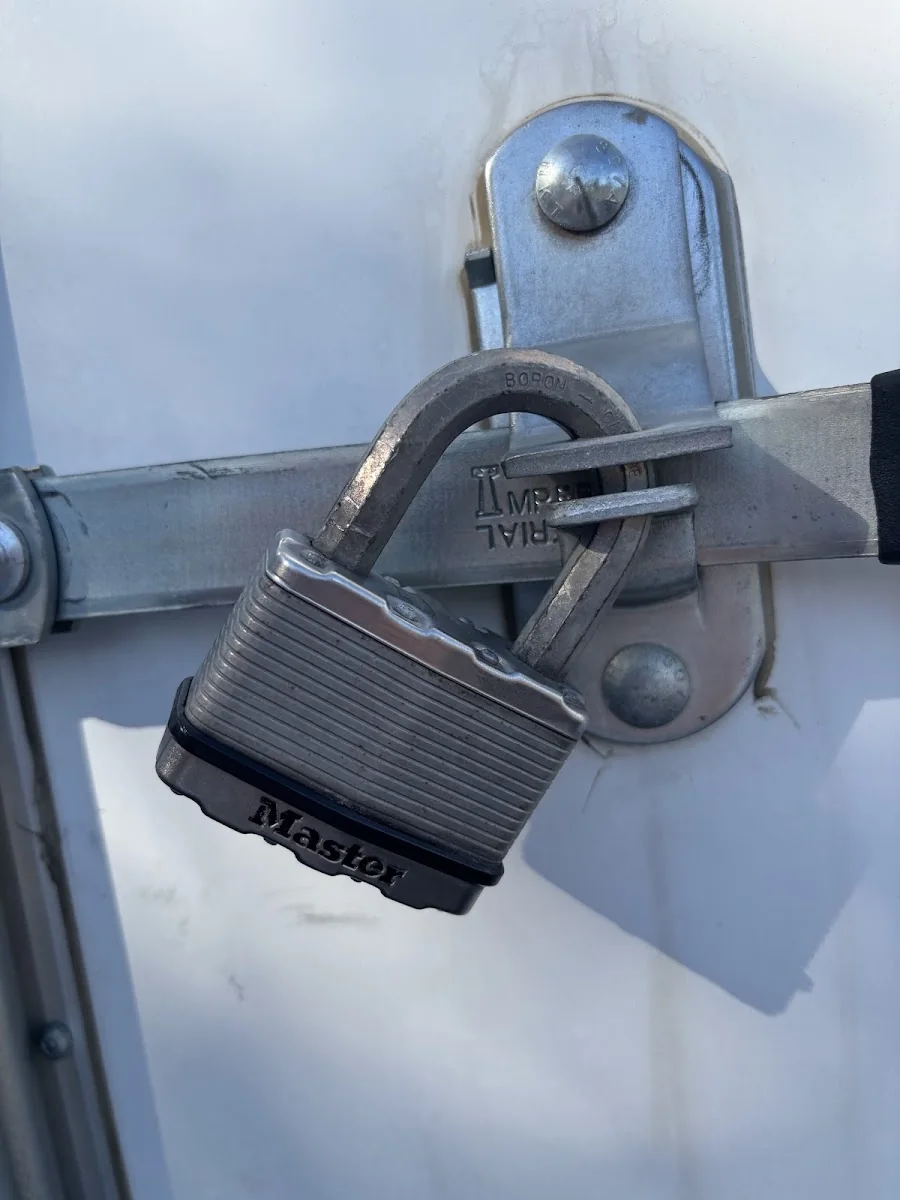
Measure the part that passes through the hardware
The padlock body is visually prominent, but the shackle must fit the hasp or enclosure. Its diameter and usable space affect whether the lock can be installed and operated normally. Record the attachment arrangement before buying a larger-looking replacement. A substantial body can still be unsuitable if the shackle cannot pass through the opening or leaves too little room for the intended use.
Keep the dimensions distinct
Manufacturers can specify body width, shackle length, shackle width and shackle diameter separately. Master Lock's A22N product page is an example of this differentiated specification. Do not combine those measurements into one generic lock size. Compare the relevant dimensions with the actual attachment points and the product's drawing, keeping units clear rather than estimating fit from an online photograph.
Consider the complete assembly
A padlock works with the hasp, mounting and surrounding material. Choosing a bigger lock does not repair a damaged attachment or establish that the whole arrangement meets the owner's needs. Describe any looseness, corrosion or interference at the mounting point. If a provider assesses the opening, ask whether the proposed work addresses the attachment as well as the padlock where necessary.
Match the intended environment
Review the manufacturer's stated application and care guidance for the exact product. A padlock suitable for one environment should not be assumed appropriate for every exposed location or specialized use. Do not turn a general weather-related marketing phrase into a promise that maintenance is unnecessary. The selection should connect physical fit and intended use, with any relevant property or facility requirements considered before purchase.
Check usability after installation
Confirm that the authorized user can fit, operate and remove the padlock through its normal procedure without awkward force. Keep the exact product reference and neutral opening label in a private record. If several storage points use similar locks, identify intentional differences rather than assuming one size suits all. A complete fit check considers the shackle, attachment, environment and ordinary handling together, not just the width of the metal body.
Before you call
- Record shackle diameter and usable clearance separately.
- Assess the hasp and mounting as part of the arrangement.
- Match the exact product to the intended environment and use.
Follow-up questions
Is shackle length the same measurement as padlock body height?
No. They describe different parts of the product. Use the manufacturer's labeled dimensions and compare the relevant clearance with the actual attachment arrangement.
Does a larger padlock automatically improve the whole storage arrangement?
Not necessarily. Fit, mounting condition and intended use still matter. A larger body cannot compensate for an unsuitable or damaged attachment by itself.
Official reference
Master Lock: A22N padlock dimensions ↗
A named example distinguishing body width and shackle dimensions. Select a product for the actual attachment and environment.
Published by AID Locksmith, owned by Allan, serving Greater Sacramento. General service checklists are editorial guidance; product instructions apply to the named model.