Arrange an authorized contact who can admit the technician and explain any visitor procedures. Identify the actual opening or equipment requiring service instead of using the building address alone. Coordinate timing around reception availability. The provider should know whether an escort is required before arriving with tools and replacement hardware.
Describe the person’s practical difficulty, such as gripping, turning or reaching the existing hardware, and identify the door. Consider a suitable operating style with a qualified installer and the person who will use it. Do not assume a decorative lever solves every access need. Applicable accessibility requirements require review of the actual setting.
Follow the rental provider’s return and account-removal process, and retain confirmation of what was returned and when. Review whether any personal account link or credentials need to be removed through the supported procedure. Do not assume physically handing over the device automatically transfers its digital ownership. Keep the provider’s instructions with the return record.
Only if those tasks are actually included. Describe damaged wood, frame movement or other known conditions before booking and ask which work the provider undertakes. Some projects need coordination with another trade. A clear written scope should identify the proposed lock work, any prerequisite repairs and how additional findings will be handled before costs change.
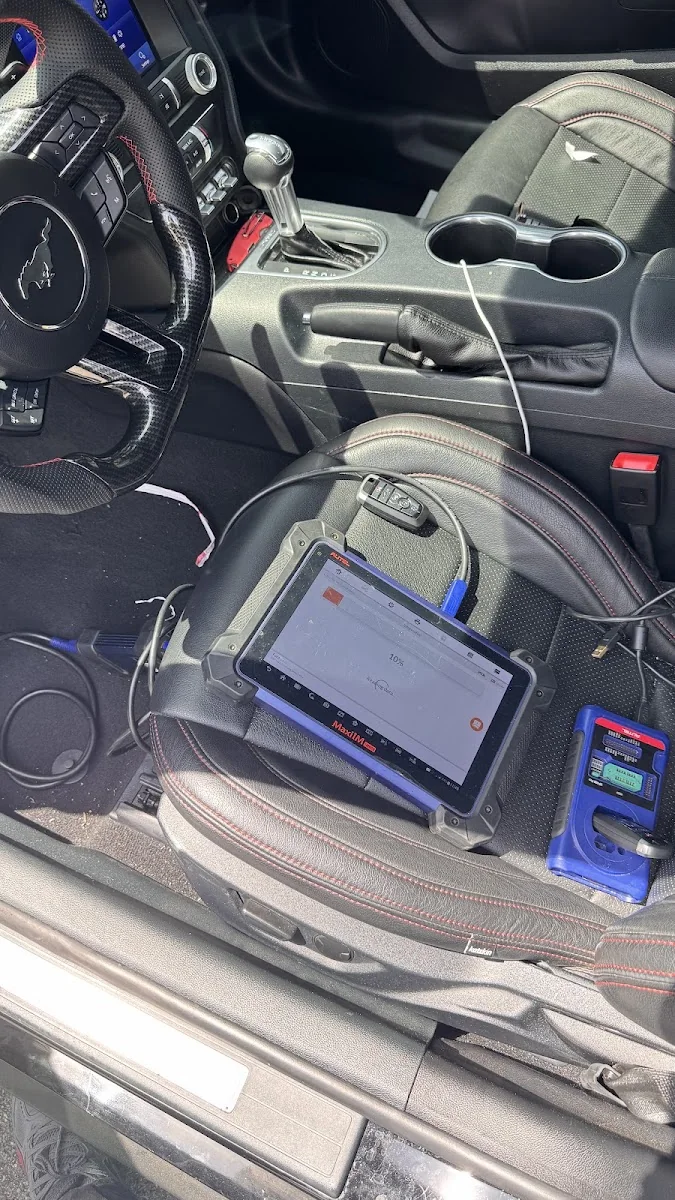
When every car key is missing, ask for an all-keys-lost service rather than a spare-key quote. The technician needs the vehicle's identity, ignition type, location and authorization before confirming the correct replacement and programming approach.
A working key gives the technician a useful starting point and gives you a backup during the visit. A spare appointment and an all-keys-lost appointment can require different equipment, authorization and procedures, so describe your situation accurately when comparing quotes.
Weak remote range can point to a battery issue, but it does not prove that the key needs programming. Compare symptoms, inspect the fob for damage and use the exact vehicle owner's manual to identify the battery and backup-start method.
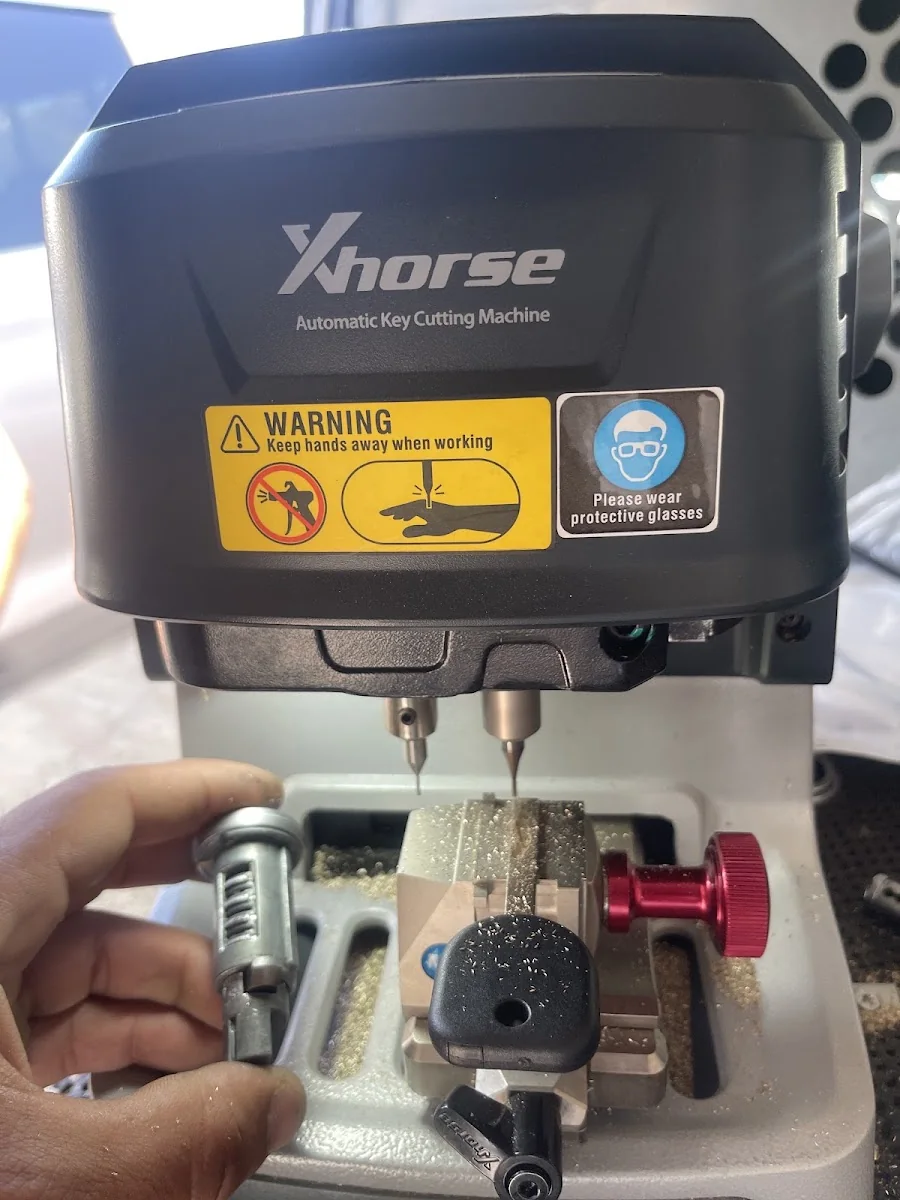
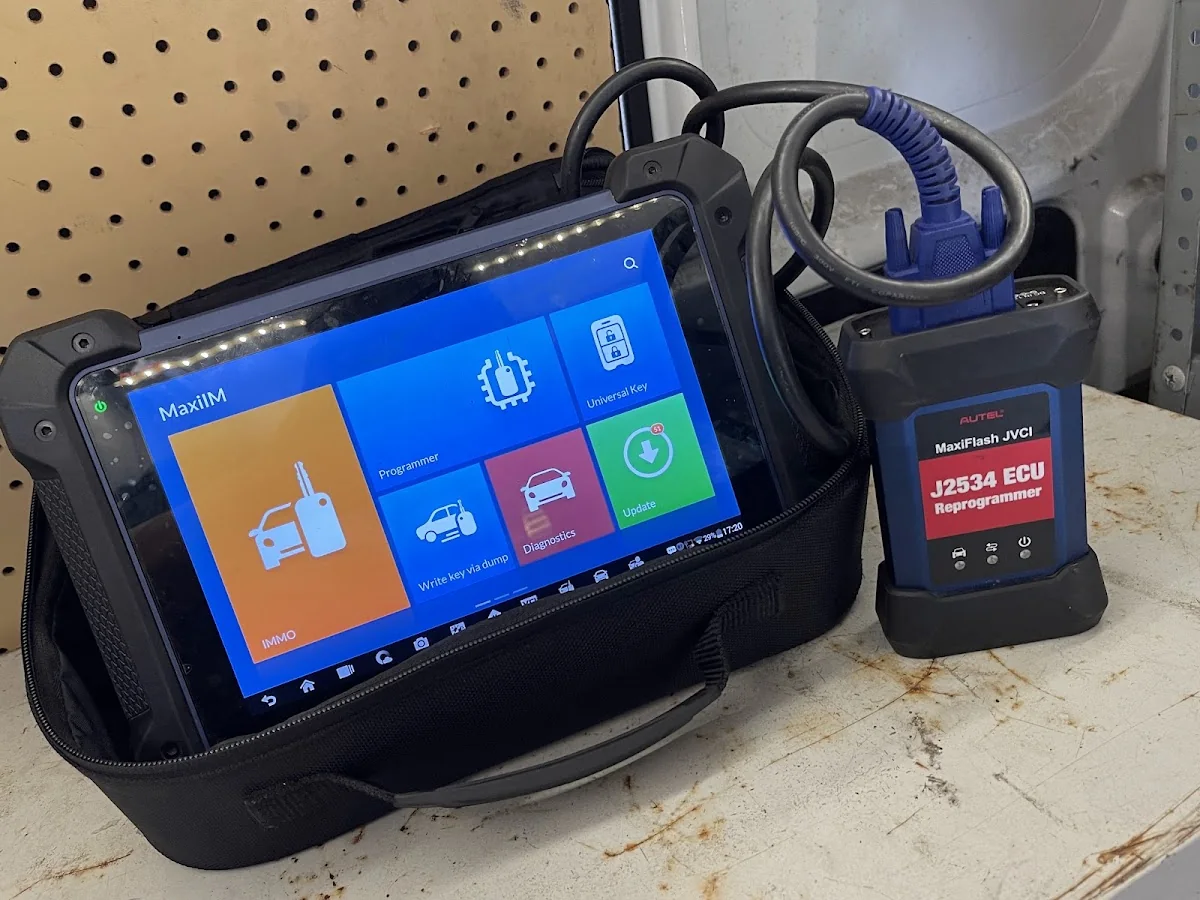
Cutting creates the blade shape that works a mechanical lock. Programming establishes the electronic relationship required by a compatible transponder or smart key. Many replacement jobs need both, and a quote for only one may not produce a fully usable key.
A matching shell or button layout does not establish compatibility. Before buying a fob online, ask whether its exact part identification, frequency, key type and condition suit your vehicle and whether your chosen locksmith can program that supplied part.
An emergency blade provides mechanical access on vehicles designed to accept it. It usually serves a different purpose from the smart-key electronics. Whether it is cut, where it is used and how the vehicle starts with a weak fob battery depend on the exact vehicle.
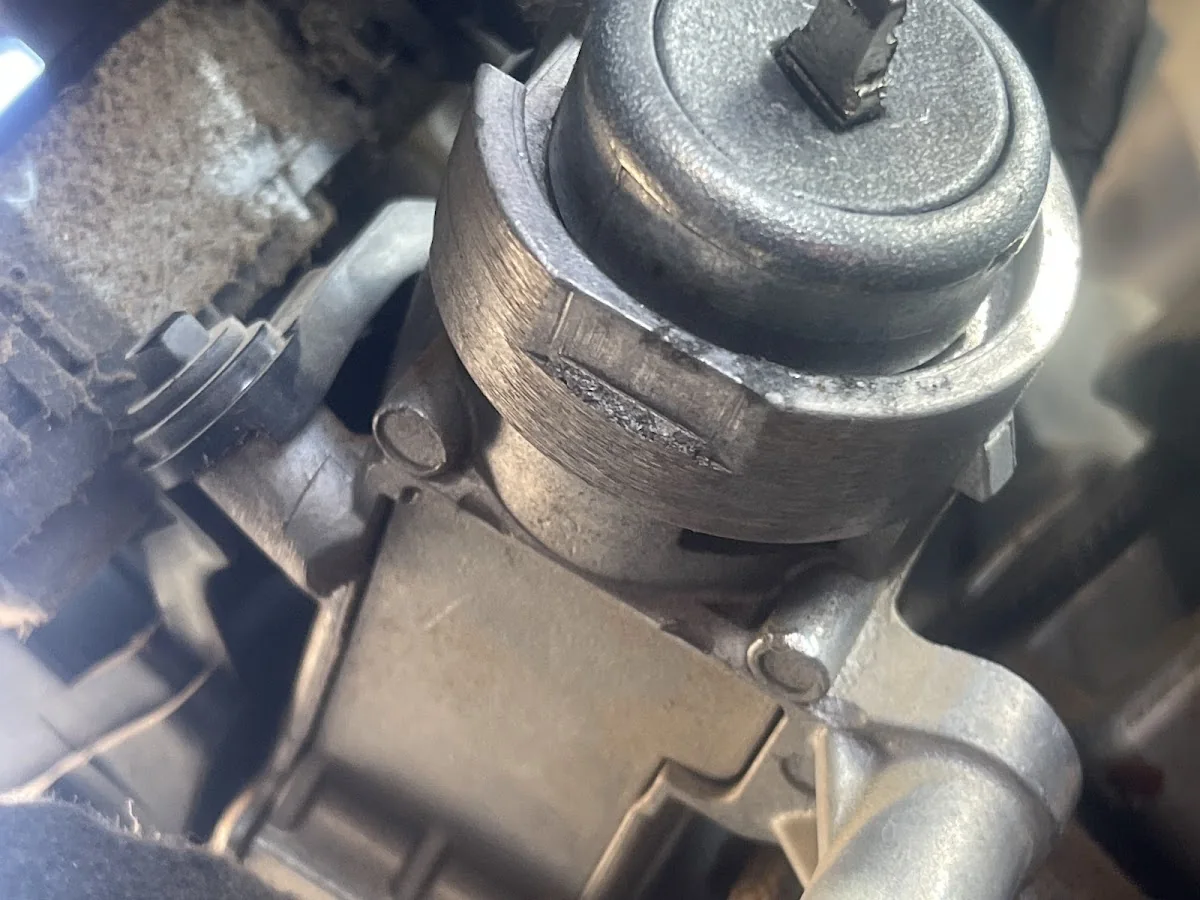
Stop forcing a key that will not turn. Describe whether the problem began suddenly, whether a spare behaves differently and whether the key is bent or worn. A sticking ignition needs diagnosis before deciding between a new key, repair or replacement hardware.
Keep the broken pieces and stop inserting other objects into the lock. Tell the locksmith whether the door is open or closed, whether the fragment is visible and whether the lock was already difficult to use. Removal and repair may be separate parts of the job.
Rekeying changes which key operates a compatible lock while retaining much of its hardware. Replacement changes the hardware itself. The right choice depends on condition, compatibility and whether you want different features, not simply on how many keys have been lost.
After taking authorized possession of a home, make a list of every exterior lock and every way someone can enter. Changing mechanical key access is only one part of the handover: garage controls, gate access and smart-lock users may need separate attention.
Many compatible locks can be keyed alike, but different keyways or lock designs may prevent a single-key arrangement without changing hardware. Send photos and brand information before the visit so the locksmith can assess the actual locks rather than promise compatibility by appearance.
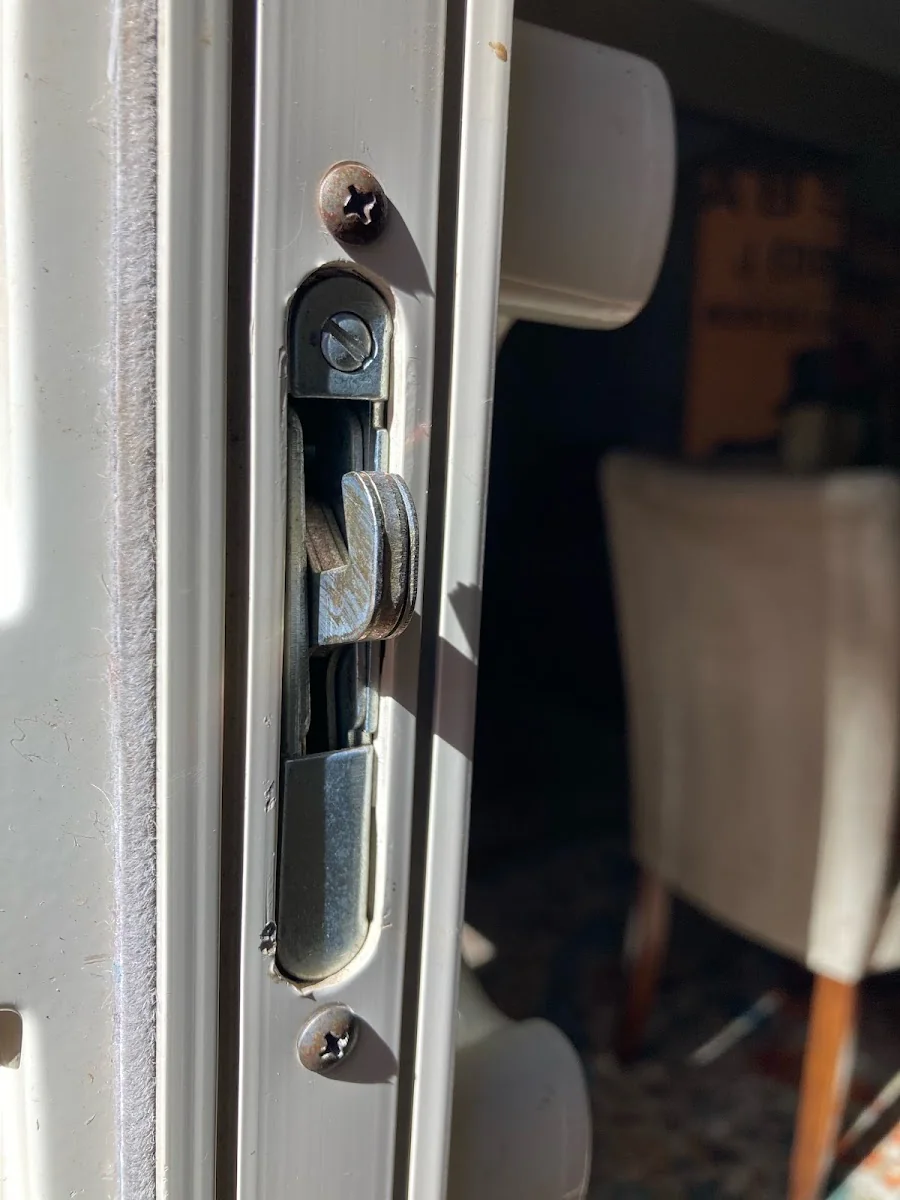
A deadbolt that moves freely with the door open but binds when it is closed may be meeting resistance at the door frame. Explain that difference to the locksmith. Replacing a key or adding a smart motor will not necessarily resolve the alignment problem.
Choose a smart lock after checking the door, current hardware and the features you will actually use. Door preparation, bolt alignment, power requirements, account setup and backup access matter as much as the app or finish shown on the box.
Rapid battery drain can have more than one cause. Describe battery type, the frequency of use, alerts and any resistance while the bolt moves. The correct product's troubleshooting guide should lead the diagnosis instead of a generic reset procedure found online.
Check your property's authorized after-hours contact first, then explain the situation to a locksmith if help is still needed. A locksmith must confirm your authority to enter, and access to a gated building or shared garage may require separate arrangements.
Give the locksmith the garage name, street entrance, level and parking-space location. Safe access and clearance can matter as much as the vehicle details. If a child is alone inside a locked car, call 911 immediately rather than waiting for routine dispatch.
If a child is alone in a locked car, call 911 immediately. Give the exact location and follow the dispatcher's instructions. Do not wait for a routine locksmith appointment or assume that shade, an open window or a short delay makes the situation safe.
Ask what the quoted amount covers and what could change it. A useful estimate distinguishes the visit, labor, parts, key cutting, programming and any conditional work. Confirm the complete scope before authorizing work, especially when comparing two differently described offers.
Use California's official BSIS license-verification route and check that the business details match the provider you contacted. A familiar logo, advertisement or map listing is useful for identification, but it is not a substitute for checking current licensing information.
Compare the complete service available for your exact vehicle. Mobile key service can avoid moving a safely parked vehicle when supported, while some jobs require a dealer or another specialist. Confirm compatibility, authorization, parts and the final cost with each provider.