It describes the relevant locking behavior when electrical power is removed, but the controlled side and complete door assembly still matter. Do not infer inside exit behavior from the phrase alone. Ask the installer to identify the exact product function, power arrangement and approved operation. Building requirements must be evaluated for the actual opening.
It refers to an unlocking response to loss of power for the specified hardware function. It is not a complete description of a door’s behavior during every fault or emergency. Other components and the approved system design matter. Ask for a clear explanation of normal entry, inside exit and power-loss operation for that opening.
No. Physical fit is only one part of selection. The latch or bolt arrangement, frame preparation, electrical requirements, intended function and applicable ratings also need review. Provide the existing lock identification and project requirements to the installer. A strike that fills the visible opening may still be inappropriate for the door assembly.
Stable opening numbers let owners, installers and maintenance staff refer to the same door despite changing room names or tenants. Use the number consistently in photos, estimates and service records. Include both leaves where applicable. This reduces the chance that an approved change is applied to a different entrance with similar-looking hardware.
Yes, when the project combines mechanical hardware and electronic control. Agree who owns the door survey, product selection, power and wiring work, credential configuration and final demonstration. Clearly recorded responsibilities help expose gaps before installation. A quote for one portion should not be mistaken for delivery of a complete operating access-control system.
Do not choose modifications by appearance alone. The door, frame, hardware and required performance need review by the responsible qualified parties. Record visible labels without removing or covering them and consult the building’s requirements before drilling or changing components. A familiar-looking replacement does not establish that the altered assembly is appropriate.
Assign an opening identifier to each door and record its actual symptom separately. Similar handles can have different functions, usage patterns or problems. Provide photos and operating observations for each opening. Ask the estimate to state which doors are included so one repaired entrance is not mistaken for completion of the whole request.
For a useful review, request the proposed product and function for each opening, relevant installation requirements, finishes and the party responsible for any connected systems. The detail needed depends on the project. Resolve substitutions before ordering, especially when they change operation. Keep the approved selection with the eventual service and warranty records.
Start with SentrySafe’s official lost-key and combination support page and identify the safe through its supported model and serial-number process. The correct recovery route depends on the product. Do not post the safe’s full identification or ownership documents publicly. If requesting local help, confirm that the provider handles that safe type before booking.
No. Different products from the same brand can use different keypad and battery arrangements. Find the exact model and consult its manual before removing parts. A generic video for a similar-looking safe may not apply. Keep an authorized access plan in mind and contact the manufacturer if the model cannot be identified confidently.
A handle symptom alone does not identify the cause. Record the keypad response, indicator pattern and normal operating context without forcing the handle. Keep the exact product information available for manufacturer support or a qualified safe technician. Avoid repeatedly applying torque, which can introduce a mechanical problem alongside the original access fault.
Similar size and appearance do not prove compatibility. Identify the cabinet or lock manufacturer and any relevant markings through the appropriate service process. Do not force an almost-fitting key. If the furniture belongs to an employer, obtain authorization and check whether facilities staff already maintain the correct spare or replacement-part record.
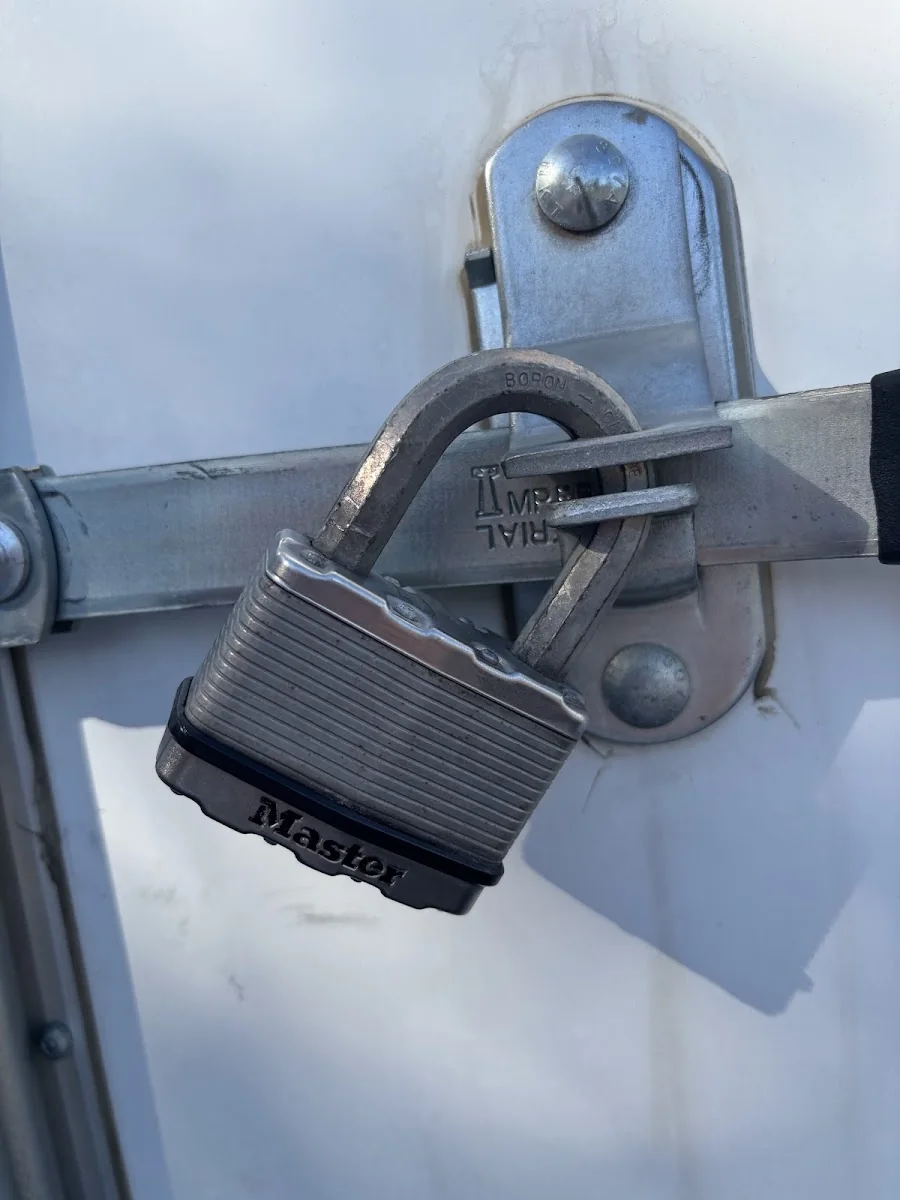
The shackle diameter and usable clearance affect whether the padlock fits the hasp or enclosure. Product suitability also depends on the intended environment and application. Measure the attachment arrangement and consult the manufacturer’s specifications. A larger body can look stronger while failing to fit correctly or leaving the assembly awkward to operate.
Do not transfer maintenance chemicals or procedures between unrelated products. An outdoor padlock and an electronic deadbolt have different mechanisms, finishes and openings. Use each manufacturer’s instructions for the exact device. If a padlock remains difficult after the approved care routine, describe the problem rather than adding several different lubricants.
Identify the existing mounting arrangement, material thickness, cam or latch configuration and authorized use of the cabinet. Photograph the installed component and measure according to the replacement product’s drawing. A matching face diameter is not the whole fit check. Ask whether retaining existing keys or coordinating several cabinets is part of the project.
The person responsible for the equipment should authorize the service, even if you normally use the tools. Provide the asset identification and an appropriate contact when requesting help. Explain whether the work concerns a lost key, damaged lock or replacement hardware. Clear authorization prevents a personal service request from being confused with permission to alter company property.
No. Reset eligibility and the required current access state vary by model. Use the manufacturer’s instructions for the exact padlock and stop if its controls do not match the guide. Do not assume that a procedure for an open, known-combination lock is also a recovery method for a locked padlock with an unknown combination.
List each storage unit, its responsible owner and the authorized key or credential holders. Use neutral identifiers on carried keys and keep the detailed mapping private. Record changes when equipment moves or staff responsibilities change. Before ordering matching locks, decide whether everyone actually needs the same access or whether separate access groups would be more practical.
Use the company’s fleet or asset-management process and check any relevant lease or provider requirements. The driver’s possession of the vehicle does not settle every authorization question. Gather the vehicle details and an approving contact before booking. Clarify who receives the invoice and who will attend for the completed-key demonstration.
Use durable neutral identifiers connected to a private vehicle record. Avoid public labels that combine a full vehicle location with access information. Check that covers or tags do not obstruct buttons or ordinary use. Keep the record current when vehicles are reassigned so a matching-looking fob is not mistaken for the correct credential.
Record the vehicle or opening identifier, recipient, issue date, key description and expected return process. Keep invoices and programming outcomes with the authorized asset record. State whether older credentials were retained or addressed as part of the service. The issue record is an administrative control, not proof that every previous credential has stopped working.
Yes, if the vehicle is at a body shop or related door, ignition or electrical work is underway. Confirm permission, working access and which repairs are complete before the appointment. Give both providers a clear contact. Testing a key against unfinished repairs can make it difficult to establish what the key service has actually resolved.
State the original market if known and provide the available vehicle and key identification privately. A domestic model name alone may not identify the relevant system. Avoid purchasing parts from a listing that ignores market differences. Ask the provider to confirm the supported service route after reviewing the actual vehicle details.
Give the exact vehicle type, manufacturer, model and year rather than assuming car-key equipment or procedures apply. Describe whether the request involves a mechanical key, electronic authorization or both. Confirm the provider’s capability before dispatch. A general automotive service listing is not a promise of support for every motorcycle or specialty vehicle.