Not necessarily. A marking can identify a blank family, manufacturer or stock item rather than the cuts that operate your lock. Send a photograph privately and explain where the number appears. Keep the original key, packaging and any service receipt available. AID Locksmith can assess which markings identify the part and which information is actually useful for the authorized job.
Those features help identify the key and how its position is referenced during cutting or normal insertion. Different key designs do not all locate in the same way. A damaged shoulder or tip can therefore matter even when the visible cuts seem intact. Bring the original pieces and describe which lock works poorly so the technician can assess the correct reference and blank.
No. The outside head alone does not identify the electronics inside. Some keys have a simple plastic grip, while other designs include a transponder or integrate additional components. Identify the vehicle's system and the actual key rather than judging by the head material. An electronic check and reliable part information are more useful than an assumption based on a photograph.
A cover can be moved between keys and may hide useful markings, so it is not reliable identification. Compare the actual key and vehicle information privately. Remove an ordinary removable cover only if doing so will not damage the key, and keep any labels with the service record. For a fleet or household with similar fobs, use a private labeling system that avoids displaying addresses.
A part description can help with later warranty questions, spare orders and compatibility checks. Ask for enough information to distinguish a complete fob, an empty housing and an emergency blade. Keep that receipt privately with the vehicle records. A generic line saying only key provides less useful history when a different technician needs to understand exactly what was supplied or programmed.
A button does not add equipment or enable a feature the vehicle does not support. Confirm the vehicle's installed remote-start system and the compatible fob configuration before ordering. Factory and aftermarket systems can use different controls. Ask what will be tested at handover, including whether the remote-start function is part of the approved work rather than assuming it follows from the new button layout.
Look for the transmitter brand and model information and keep any installation paperwork. Tell the locksmith that the vehicle may have an aftermarket system rather than describing every remote as an original car key. Photograph the separate controls without dismantling wiring. AID Locksmith can assess whether the request falls within its supported work or should be directed to the system installer.
Keyless entry concerns unlocking or accessing the vehicle without using a blade in the door. Keyless starting concerns the vehicle's starting authorization and ignition controls. A vehicle can have remote entry while still using a turn-key ignition. Describe both functions when requesting a key quote so the provider does not infer a push-start system from the phrase keyless alone.
An indicator light shows that part of the fob responds, but it does not establish the correct radio signal, compatibility or vehicle enrollment. Note which button lights the indicator and what the vehicle does in response. Compare a known working fob if you have one. The provider may need to test transmission and vehicle behavior separately before recommending a replacement.
Report exactly which handle or entry point responds and whether remote-button unlocking still works. Equipment, settings or a fault at an individual entry point can affect the behavior, so replacing the fob is not automatically the solution. Check the owner's manual for the functions fitted to the vehicle. Share the model, year and comparison results when asking for diagnosis.
Possibly, but compatibility and the functions you need must be checked for the exact vehicle. A lower button count may omit a useful control, and a similar case does not establish correct electronics. Ask whether the proposed spare provides starting, entry and any required trunk or remote-start operation. Compare the complete usable result rather than choosing solely by button count or price.
No. Key enrollment and driver-personalization settings are separate concepts, even when a vehicle associates a fob with a driver profile. A replacement that starts the vehicle does not automatically establish every preference. Follow the owner's manual for the fitted memory system and ask which setup is included in the appointment. Test the desired convenience features after the key itself is working.
Yes. Explain whether the vehicle has a powered liftgate, a simple release or another fitted feature. Similar-looking buttons can represent different functions across models. Send the actual fob and vehicle details instead of choosing a listing from an icon alone. Ask the provider to confirm the supported configuration and demonstrate the agreed operation rather than assuming any matching symbol means full compatibility.
Valet functions vary by vehicle and may involve a physical key, a software setting or limits on certain storage areas. Explain the result you want and consult the exact owner's manual. Do not assume a spare fob is automatically a restricted valet key. Ask which access remains available under the vehicle's documented arrangement before handing the vehicle to another person.
A replacement fob and a connected-service subscription are different parts of the vehicle's access system. Account status, vehicle eligibility and a manufacturer app may control features that are not supplied by the physical key alone. Confirm the fob's functions with the locksmith and subscription questions with the manufacturer. Keep app-account troubleshooting separate from a quote to cut and enroll a replacement key.
Generation prepares a supported universal key for a selected application using compatible equipment. Vehicle enrollment is a separate stage: a prepared key is not automatically authorized to start your car. The universal key type, software coverage and exact vehicle system all matter. Ask the technician which parts of preparation, cutting, programming and testing are included rather than treating generation as a complete replacement job.
Cloning and adding a separately enrolled credential are different approaches, and neither is available for every system. The distinction can matter for future owner programming and key management. Ask which method is proposed, what the resulting spare will do and how it will be tested. Do not assume that two physical keys necessarily appear to the vehicle as two independent enrolled identities.
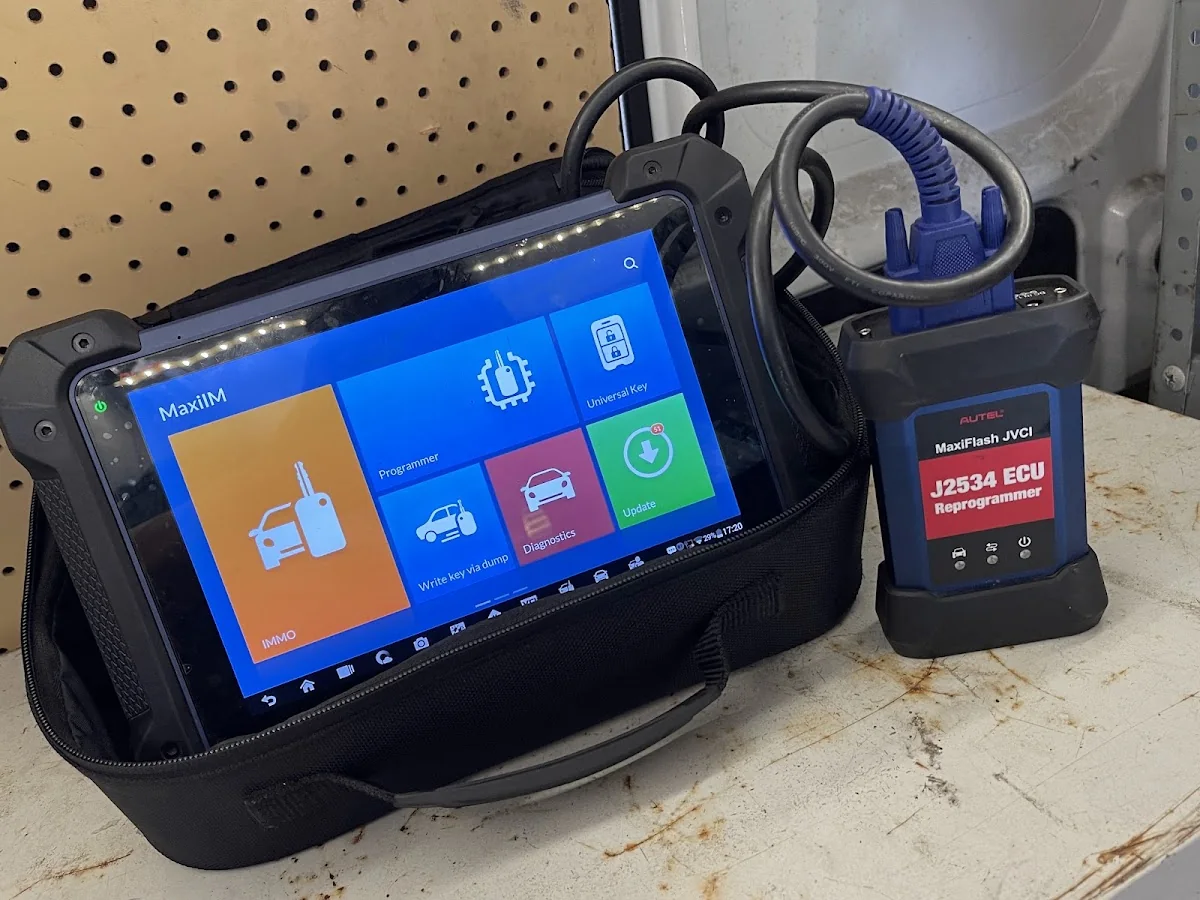
No. Tool coverage can depend on the model year, ignition system, software, required accessories and the key situation. A tool brand or photograph is useful context but not a vehicle-specific confirmation. Give AID Locksmith the complete application and ask whether that particular job is supported now. The answer should distinguish adding a spare from an all-keys-lost procedure where those capabilities differ.
The vehicle may require different procedures or access when no recognized credential remains. A coverage entry for spare-key enrollment should therefore not be read as proof of all-keys-lost support. Explain the actual number of working keys when booking. Ask the provider to confirm the applicable operation and any additional requirements before buying parts based on a broad supported-vehicle list.
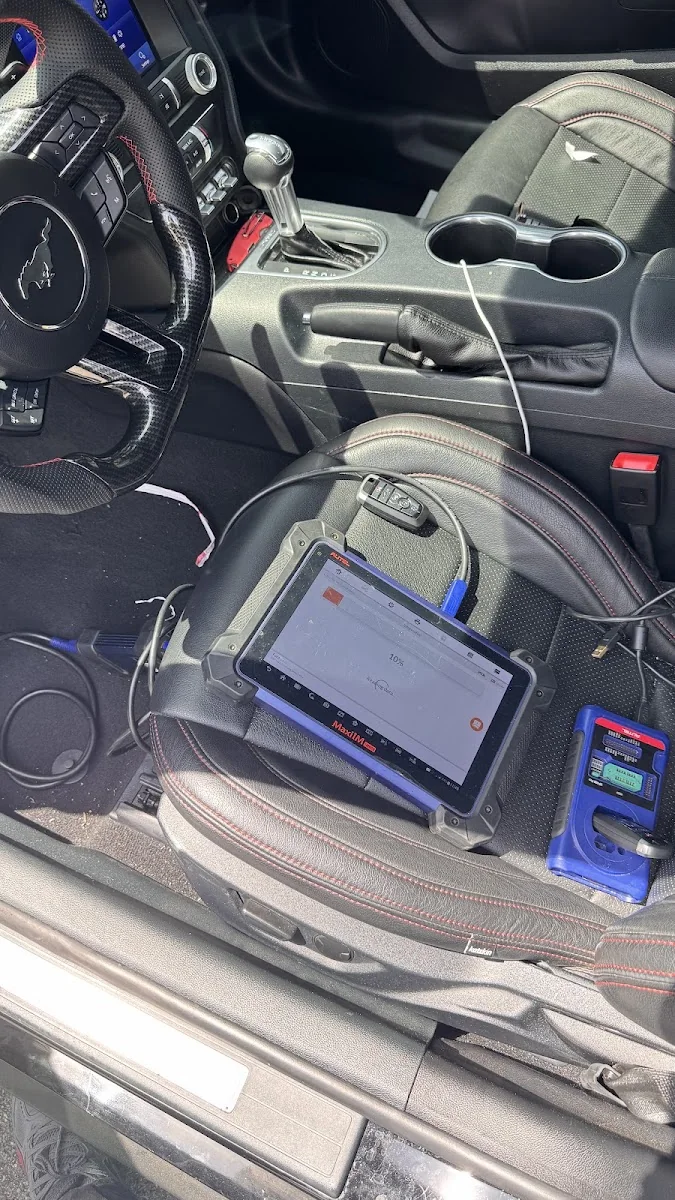
The presence of a diagnostic connector does not establish the available key procedure. Security access, the vehicle's electronic architecture and supported equipment determine the authorized programming route. Do not select a service based only on the socket shape. Share the exact vehicle and key situation, and let the technician identify the documented approach without promising that every replacement uses the same connection.
A starting complaint can involve the key, the vehicle's power or another system. Recording relevant symptoms and diagnostic findings helps distinguish a replacement-key need from a fault that a new key will not repair. Ask what the assessment includes and what happens if another issue is found. Keep the diagnosis with the invoice so follow-up work starts from the actual findings.
Tell the provider which components were changed, when and by whom, and bring the available repair records. The original vehicle identification may not describe every component now installed. Do not hide a previous unsuccessful repair or programming attempt. A clear history helps the technician assess compatibility and the correct authorized service route instead of assuming a completely original system.
Ask for that check before any irreversible part modification. The provider may need the vehicle, part markings or electronic testing to assess the supplied key. Clarify whether the blade can be evaluated separately from the fob and what inspection charges apply. This is especially useful when the seller restricts returns after cutting, but it does not guarantee every incompatibility can be discovered remotely.
Another recognized fob nearby can make it unclear which credential authorized a particular function. Have the newly supplied key demonstrated independently, following the vehicle's normal operating procedure. Then test the keys being retained. This gives you clearer evidence that the replacement itself provides the agreed starting and entry functions rather than relying on the presence of an older working fob.