Car keys
Key shoulders and tips: why reference surfaces matter
Those features help identify the key and how its position is referenced during cutting or normal insertion. Different key designs do not all locate in the same way. A damaged shoulder or tip can therefore matter even when the visible cuts seem intact. Bring the original pieces and describe which lock works poorly so the technician can assess the correct reference and blank.
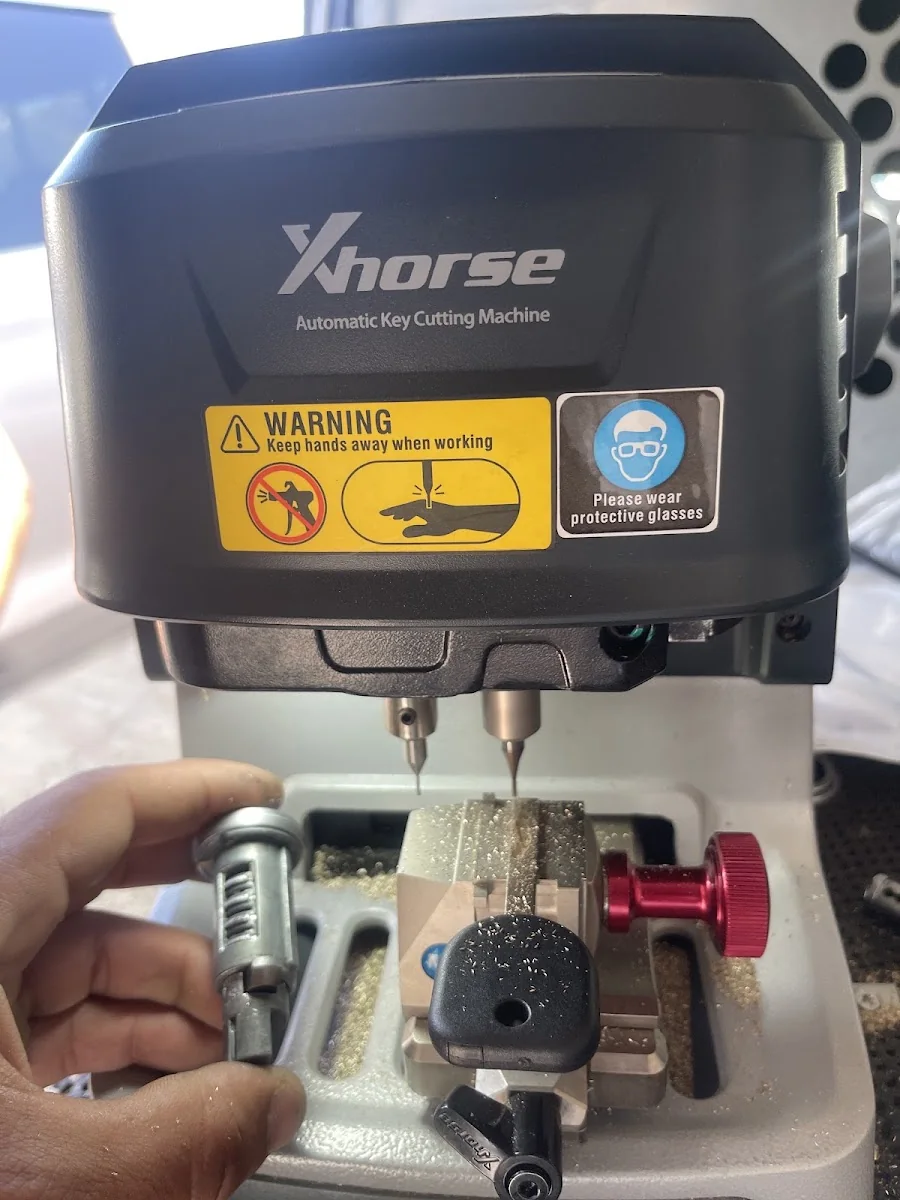
The overlooked geometry of a duplicate
Owners often concentrate on the teeth of a key because they are easy to see. The blade's reference features also matter to how a suitable blank is positioned for cutting. Depending on the key system and equipment, the relevant reference may involve a shoulder, tip or another specified arrangement. A correct-looking pattern placed incorrectly is not the same as an accurately produced working key.
Explain damage at both ends of the blade
Mention a shortened tip, damaged shoulder, bent blade or previous home modification when arranging service. Those details may change how useful the existing key is as a reference. Do not straighten, grind or polish it merely to make the sample appear tidy. Preserve the part in its current condition, keep broken pieces together if available, and tell the provider which locks it operated before the problem developed.
Why a close copy can still disappoint
Consider a key that works only after being moved slightly in or out. Repeating its visible pattern without assessing the blank and positioning can reproduce an existing problem instead of correcting it. That observation does not prove the key is the sole cause; the lock also needs consideration. The practical request is for assessment of a reliable replacement, with the original behavior described accurately, rather than a promise to duplicate every imperfection.
Make the order specific to the actual credential
For a vehicle, distinguish the mechanical blade from any electronic functions contained in the key assembly. Accurate blade production does not by itself establish starting authorization. Ford's lost-key support explains a manufacturer replacement route for its vehicles; the exact year, equipment and current key situation still belong in the service discussion. A key-cutting request should identify whether you need door operation, ignition operation, electronic enrollment or a combination.
Evaluate the result through ordinary use
Have the replacement demonstrated in the intended locks without unusual pulling, wiggling or excessive force. Record any pre-existing lock issue that remains outside the agreed work. If a technician recommends further diagnosis rather than promising a perfect duplicate from a damaged sample, ask what information the next step will establish. A clearly explained limitation is more useful than treating a visually neat blade as the only measure of completion.
Before you call
- Preserve damaged reference surfaces for assessment.
- Describe any movement needed to make the old key work.
- Request normal operation testing in the intended locks.
Follow-up questions
Is a chipped key tip always the cause of a turning problem?
No. Its importance depends on the key system and the condition of the lock. Report the damage, but let the actual fit and operation determine the diagnosis.
Should the finished duplicate look identical in every cosmetic detail?
Cosmetic head shape and surface appearance are separate from the dimensions and functions required for correct operation. Ask about meaningful differences in the supplied part, not appearance alone.
Official reference
Ford Support: replacing a lost key ↗
Manufacturer guidance for the Ford replacement-key route. It does not establish AID Locksmith coverage for a specific vehicle.
Published by AID Locksmith, owned by Allan, serving Greater Sacramento. General service checklists are editorial guidance; product instructions apply to the named model.