Car keys
Passive entry works at one door but not another: useful observations
Report exactly which handle or entry point responds and whether remote-button unlocking still works. Equipment, settings or a fault at an individual entry point can affect the behavior, so replacing the fob is not automatically the solution. Check the owner's manual for the functions fitted to the vehicle. Share the model, year and comparison results when asking for diagnosis.
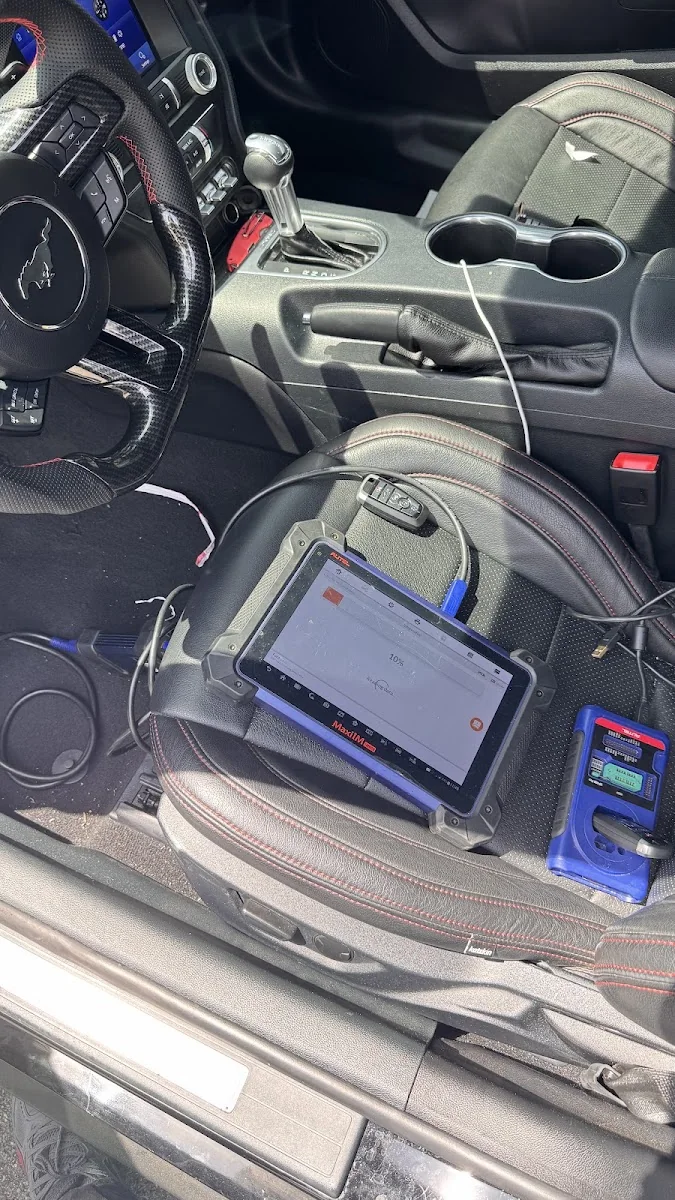
A door-specific symptom deserves a door-specific description
When passive entry behaves differently around the vehicle, record exactly which handle or opening is involved. Equipment and intended operation can vary across doors, so check the owner's manual before assuming every handle should respond identically. A replacement-key request based only on one unresponsive door may overlook the actual scope of the problem. Establish the expected behavior first, then describe how the vehicle differs from it.
Map the pattern without dismantling anything
Make a short list of the tested openings, the credential used and the normal action attempted. Include whether remote-button unlocking still operates those doors. Avoid taking apart handles or moving vehicle components in an effort to confirm a theory. A clear pattern observed through normal use gives the provider useful context while preserving the original condition for diagnosis.
Keep equipment history in the conversation
Mention recent door repairs, handle replacement, body work or changes involving vehicle electronics. Those events may be relevant, but their timing alone does not prove causation. Share available repair records rather than guessing what was altered. If the vehicle is still with another repairer, coordinate the assessment so key service is not evaluated against an unfinished door repair.
Do not use one feature as a proxy for all others
Successful starting does not establish that every entry interface works, and an entry problem does not automatically mean starting authorization is lost. Keep those outcomes separate. If another authorized credential shows the same door-specific behavior, report that comparison. The goal is to help the provider determine what needs assessment, not to diagnose a handle, antenna or fob from a single observation.
Agree on the repair boundary
Ask whether the appointment covers credential replacement, diagnosis of the affected entry function or both. If the provider identifies work outside its scope, keep the findings for the appropriate repairer. Ford owners can consult the correct vehicle instructions alongside Ford's official key support. A completed spare-key demonstration should not be described as repairing a door-specific fault unless that fault was actually included and resolved.
Before you call
- Identify the exact opening and expected factory behavior.
- Mention relevant repairs without declaring an unverified cause.
- Separate credential work from diagnosis of a particular door.
Follow-up questions
Should every handle on a passive-entry vehicle behave the same way?
Check the exact vehicle's equipment and instructions. Do not infer the intended coverage from another model or assume all openings contain identical features.
What comparison is useful if I have two working credentials?
Describe whether the same opening behaves differently with each credential under ordinary comparable conditions. Keep other fobs away as appropriate to avoid confusing which credential is being used.
Official reference
Ford Support: replacing a lost key ↗
Manufacturer guidance for the Ford replacement-key route. It does not establish AID Locksmith coverage for a specific vehicle.
Published by AID Locksmith, owned by Allan, serving Greater Sacramento. General service checklists are editorial guidance; product instructions apply to the named model.