Car keys
Before cutting a customer-supplied key: agree on the compatibility check
Ask for that check before any irreversible part modification. The provider may need the vehicle, part markings or electronic testing to assess the supplied key. Clarify whether the blade can be evaluated separately from the fob and what inspection charges apply. This is especially useful when the seller restricts returns after cutting, but it does not guarantee every incompatibility can be discovered remotely.
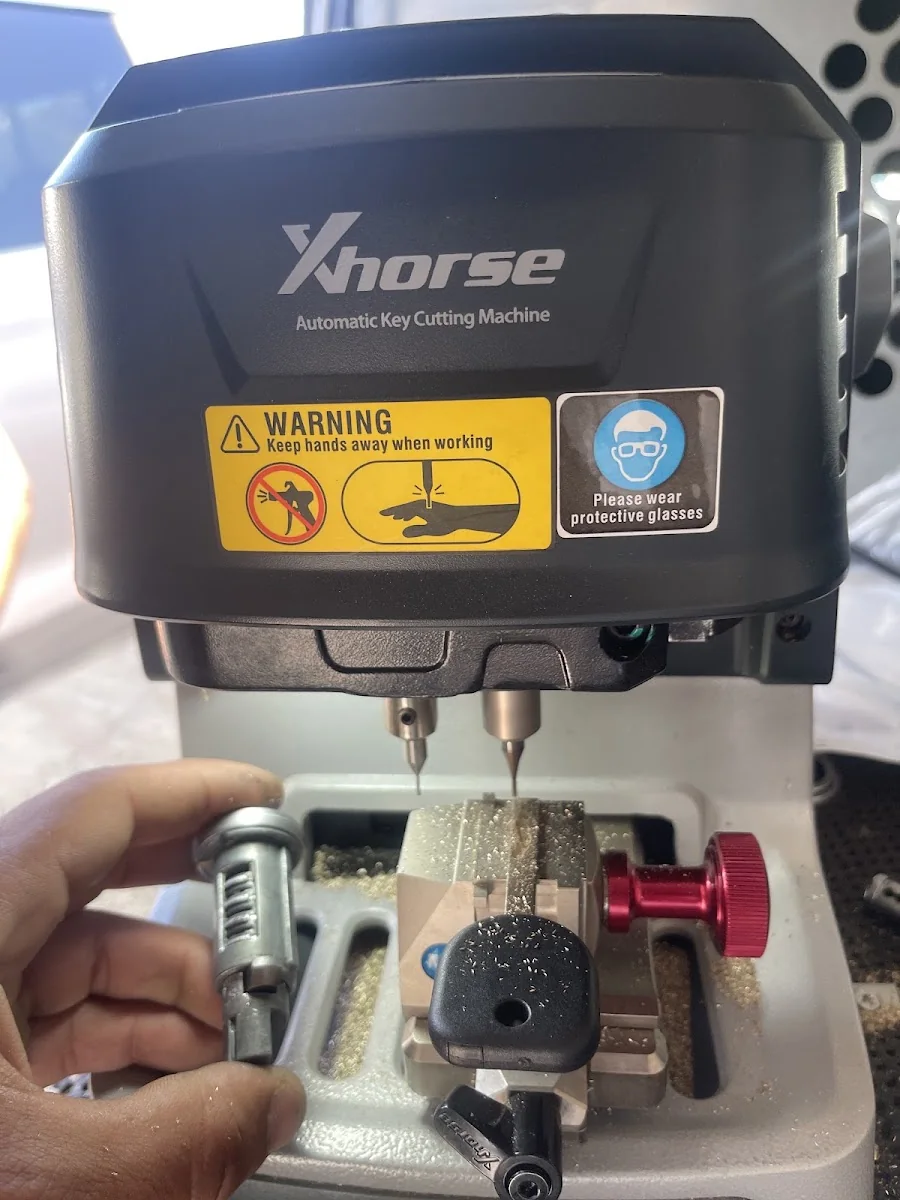
Cutting can change the purchasing situation
A seller may restrict returns after a blade is cut or a component is modified. Before service starts, understand those terms and tell the provider that the part was purchased separately. Ask which compatibility checks are possible before irreversible work and which uncertainties require further assessment. This is a practical way to make an informed decision, not a guarantee that every hidden problem can be detected remotely.
Present the complete supplied item
Bring the packaging, order description and all components received. A loose blade, a complete fob and a shell with transferred electronics are different products. If the delivered item differs from the listing, record that before it is altered. Clear identification prevents the provider from being asked to stand behind a seller's promise that was never part of the locksmith's own supply or service agreement.
Separate physical and electronic suitability
A compatible blade profile does not settle every question about the electronic assembly. Likewise, a promising electronic reference does not prove the blade and housing are appropriate. Ask how the provider will assess the relevant parts of the credential. The result should be explained in terms of the whole service goal rather than a single successful fit check that is mistaken for complete compatibility.
Agree on the decision point
If assessment reveals uncertainty, decide whether to proceed, return the part where permitted or use another supported supply route. Understand any inspection charge and what further work would cost. Avoid authorizing cutting simply because an appointment has already begun and you feel committed to the purchase. A pause for a clear explanation can prevent a questionable component from accumulating additional nonrecoverable expense.
Keep responsibility and results clear
The receipt should distinguish your supplied component from the provider's labor and any parts it supplied. Have the agreed functions demonstrated if the job proceeds, and retain the explanation of any limitations. Ford's official replacement-key support offers a manufacturer starting point for Ford owners considering alternatives. Comparing that route with an independent service is most useful when the component, work and support responsibilities are all visible.
Before you call
- Read return conditions before modifying the supplied component.
- Bring packaging and the complete delivered item for assessment.
- Agree on charges and the decision point before cutting proceeds.
Follow-up questions
Can every electronic incompatibility be ruled out before cutting?
Do not assume so. Ask what the provider can confirm at each stage and which limitations remain. Make the proceed-or-return decision with those limits understood.
Should I send the seller's full listing to the locksmith?
Yes, along with the actual received-part details. The listing provides context, but the delivered component and vehicle still need assessment rather than automatic acceptance of the seller's claims.
Official reference
Ford Support: replacing a lost key ↗
Manufacturer guidance for the Ford replacement-key route. It does not establish AID Locksmith coverage for a specific vehicle.
Published by AID Locksmith, owned by Allan, serving Greater Sacramento. General service checklists are editorial guidance; product instructions apply to the named model.