Car keys
Why spare-key coverage does not guarantee all-keys-lost service
The vehicle may require different procedures or access when no recognized credential remains. A coverage entry for spare-key enrollment should therefore not be read as proof of all-keys-lost support. Explain the actual number of working keys when booking. Ask the provider to confirm the applicable operation and any additional requirements before buying parts based on a broad supported-vehicle list.
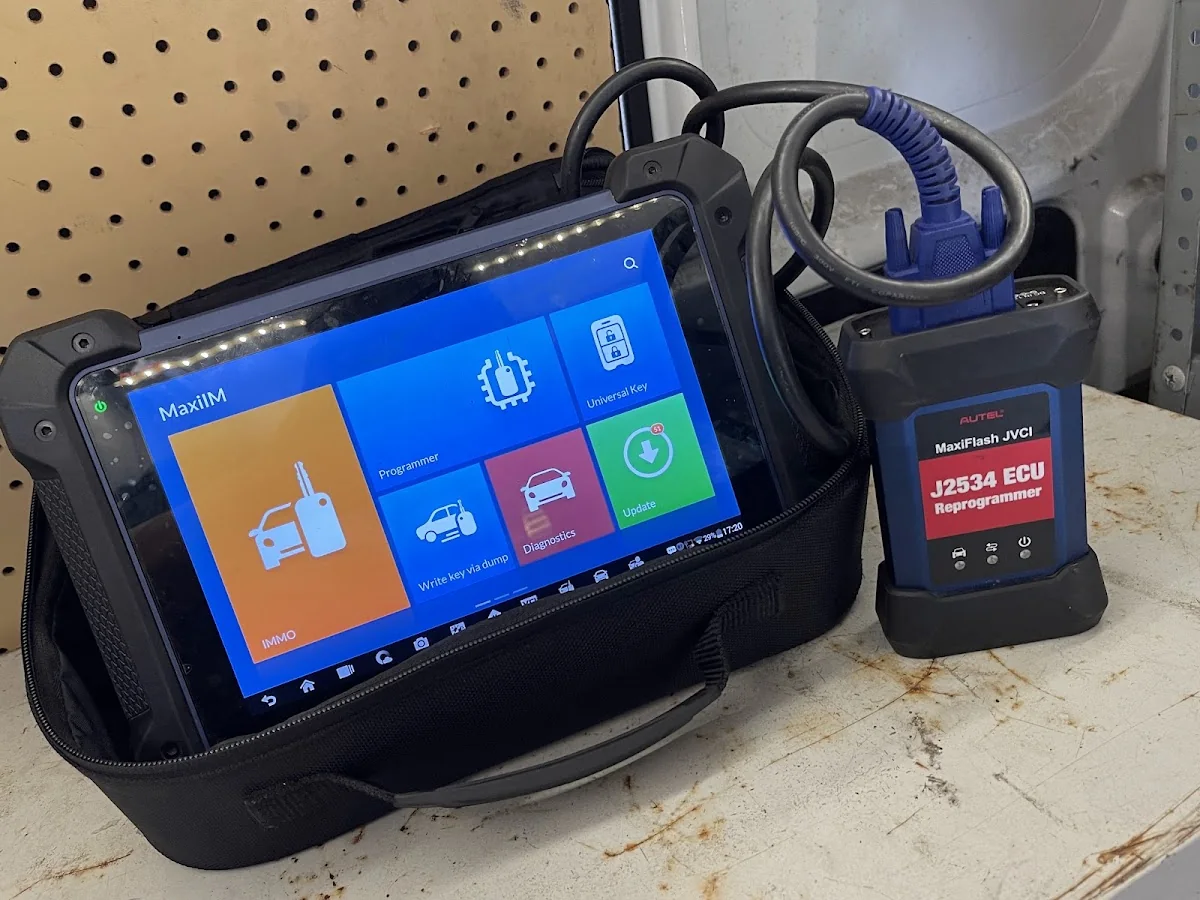
The starting condition changes the question
A procedure that uses an existing recognized credential begins from a different situation than one where no usable key remains. That difference can affect available routes, required information and the work involved. A prior successful spare-key appointment therefore does not prove that an all-keys-lost request for the same vehicle will proceed identically. Describe the current starting condition before comparing prices or expected service steps.
Be precise about what remains
Count the keys that actually provide the required vehicle function, not simply the objects still in your possession. A broken housing with unknown electronics, an uncut blank or a key that opens a door but does not start the vehicle may need separate assessment. Explain each item honestly. Do not describe the situation as having two working keys because two cases are sitting on the table.
Read owner procedures carefully
Some manufacturer-supported owner procedures apply only when stated conditions are met. The site's onboard-programming Questions section preserves model-specific requirements from linked factory references; those conditions should not be generalized to other vehicles. If your situation falls outside a procedure, repeatedly attempting it does not create the missing prerequisite. Use the appropriate official replacement route or obtain a qualified assessment of the supported service options.
Compare estimates on matching assumptions
A quote based on retaining a recognized key may not describe the same job after that key is lost or damaged. If circumstances change between booking and arrival, contact the provider promptly. Ask what will be reassessed rather than assuming the earlier price covers every changed condition. A clear estimate should explain the actual vehicle state and requested outcome, including any separate mechanical or electronic work required.
Plan around the confirmed service route
Ford's official lost-key guidance gives Ford owners a manufacturer starting point, while the exact equipment and circumstances still require review. Keep authorization records, remaining components and prior service information available through the provider's normal process. Once a supported replacement is supplied, have its functions demonstrated and discuss a suitable spare plan. That discussion should follow the completed assessment rather than rely on the assumption that every future key situation is equivalent.
Before you call
- Count functioning credentials, not merely key-shaped objects.
- Keep owner-procedure prerequisites attached to the exact vehicle.
- Update the booking if the last usable key changes status.
Follow-up questions
Does a damaged fob always count as a working key for a spare procedure?
No. Its relevant functions must be assessed against that procedure's requirements. Describe the damage and current operation instead of assuming the physical object meets the prerequisite.
Should I tell the provider if my last key stops working after booking?
Yes. The starting condition may change the supported route and scope. Updating the provider before arrival helps avoid an appointment based on outdated assumptions.
Official reference
Ford Support: replacing a lost key ↗
Manufacturer guidance for the Ford replacement-key route. It does not establish AID Locksmith coverage for a specific vehicle.
Published by AID Locksmith, owned by Allan, serving Greater Sacramento. General service checklists are editorial guidance; product instructions apply to the named model.