Car keys
Key service after ignition or security-component replacement
Tell the provider which components were changed, when and by whom, and bring the available repair records. The original vehicle identification may not describe every component now installed. Do not hide a previous unsuccessful repair or programming attempt. A clear history helps the technician assess compatibility and the correct authorized service route instead of assuming a completely original system.
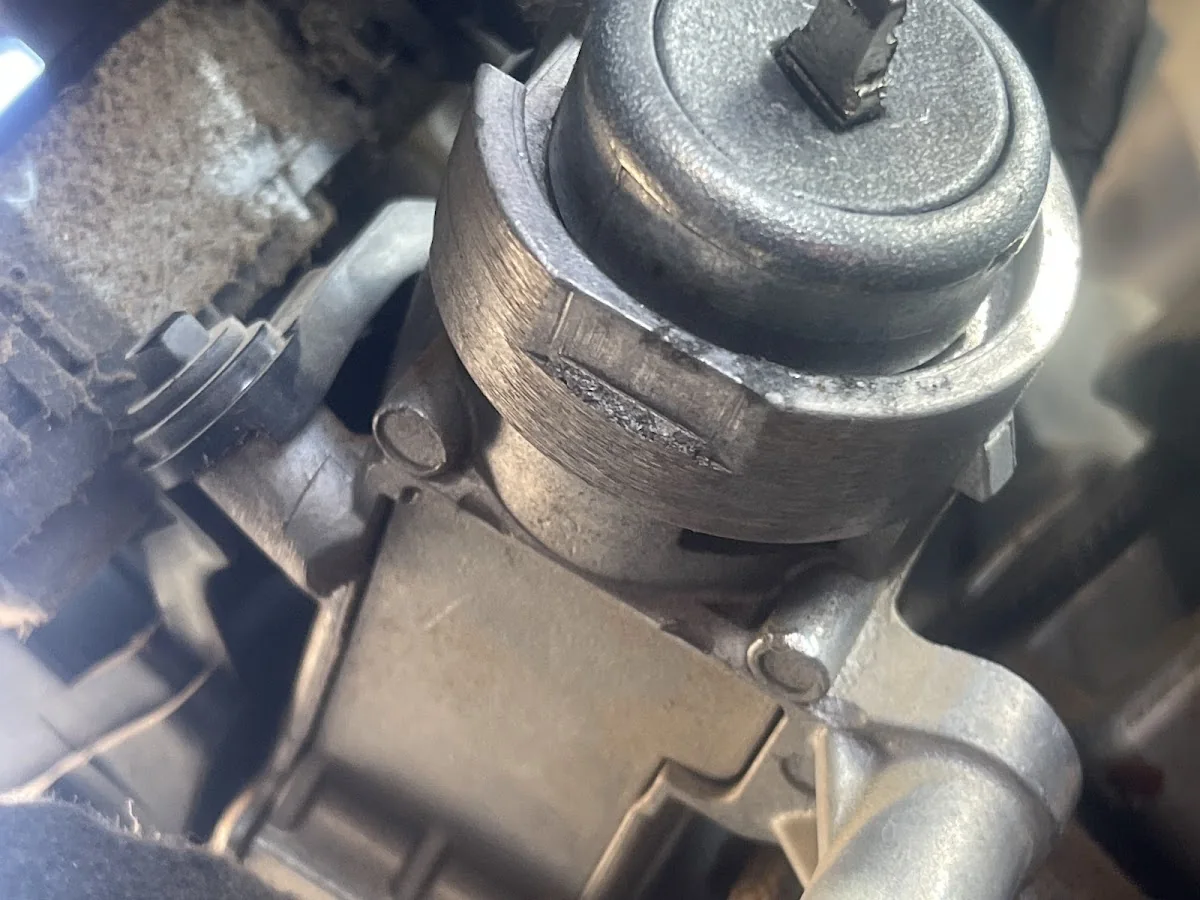
The original vehicle description may be incomplete
Vehicle identification is essential context, but replacement components can introduce additional questions about the system currently installed. If an ignition assembly or security-related module has been changed, tell the provider before parts are ordered. The technician should not have to discover that history through contradictory symptoms during a routine spare-key appointment. Clear disclosure supports a more accurate assessment of the actual configuration.
Gather the repair trail you have
Bring the invoice, component description and repairer's contact information where available. Distinguish a confirmed replacement from a suspicion based on an unfamiliar-looking part. If the vehicle was purchased used and records are missing, say that plainly. Do not invent a component history to fill the gap. The provider can explain which information it needs to establish the supported service route.
Coordinate work that is still underway
If another repairer is replacing related components, agree on the sequence and who will confirm the vehicle is ready for key service. Testing a credential while the underlying repair is unfinished may not establish a meaningful result. Clarify access to the vehicle, authorization and responsibility for final demonstrations. A shared understanding of the handoff reduces the chance that each provider assumes the other completed a prerequisite task.
Expect compatibility questions to be specific
An original key reference or an earlier receipt may remain useful without answering every question about the current components. Ask which assumptions need confirmation before a supplied key is cut or enrolled. If the service route changes after assessment, have the reason explained in terms of the actual findings. A familiar model name is not a substitute for understanding a vehicle whose relevant hardware has changed.
Keep the completed configuration documented
After the work, retain the appropriate component and key-service records together. Record the functions demonstrated and any follow-up repair still required. Ford owners can consult official replacement-key support for the manufacturer route, but modified or repaired configurations need an individual assessment. Good documentation helps the next provider understand the vehicle as it exists now, rather than reconstructing its history from mismatched keys and incomplete recollections.
Before you call
- Distinguish documented replacements from uncertain vehicle history.
- Coordinate unfinished repairs before scheduling the key demonstration.
- Keep component records and key-service outcomes together privately.
Follow-up questions
Is a replacement ignition automatically proof that the security system was changed?
No. The scope of the prior repair needs confirmation. Provide the actual invoice or known facts rather than assuming every related component was replaced together.
Can an old key receipt still help after module work?
Yes, as historical context. It should be read alongside the later repair records and current condition, not treated as definitive proof of present compatibility.
Official reference
Ford Support: replacing a lost key ↗
Manufacturer guidance for the Ford replacement-key route. It does not establish AID Locksmith coverage for a specific vehicle.
Published by AID Locksmith, owned by Allan, serving Greater Sacramento. General service checklists are editorial guidance; product instructions apply to the named model.