Keep the exact vehicle messages, which keys still work, the stage at which work stopped and the provider's findings. Avoid starting unrelated reset procedures afterward, because they can change the situation being diagnosed. Contact the original provider with the records and ask how the next step will be handled. Do not describe the vehicle as fully repaired until the agreed functions have been demonstrated.
Use the company’s fleet or asset-management process and check any relevant lease or provider requirements. The driver’s possession of the vehicle does not settle every authorization question. Gather the vehicle details and an approving contact before booking. Clarify who receives the invoice and who will attend for the completed-key demonstration.
Use durable neutral identifiers connected to a private vehicle record. Avoid public labels that combine a full vehicle location with access information. Check that covers or tags do not obstruct buttons or ordinary use. Keep the record current when vehicles are reassigned so a matching-looking fob is not mistaken for the correct credential.
Yes, if the vehicle is at a body shop or related door, ignition or electrical work is underway. Confirm permission, working access and which repairs are complete before the appointment. Give both providers a clear contact. Testing a key against unfinished repairs can make it difficult to establish what the key service has actually resolved.
State the original market if known and provide the available vehicle and key identification privately. A domestic model name alone may not identify the relevant system. Avoid purchasing parts from a listing that ignores market differences. Ask the provider to confirm the supported service route after reviewing the actual vehicle details.
Give the exact vehicle type, manufacturer, model and year rather than assuming car-key equipment or procedures apply. Describe whether the request involves a mechanical key, electronic authorization or both. Confirm the provider’s capability before dispatch. A general automotive service listing is not a promise of support for every motorcycle or specialty vehicle.
When every car key is missing, ask for an all-keys-lost service rather than a spare-key quote. The technician needs the vehicle's identity, ignition type, location and authorization before confirming the correct replacement and programming approach.
A working key gives the technician a useful starting point and gives you a backup during the visit. A spare appointment and an all-keys-lost appointment can require different equipment, authorization and procedures, so describe your situation accurately when comparing quotes.
Weak remote range can point to a battery issue, but it does not prove that the key needs programming. Compare symptoms, inspect the fob for damage and use the exact vehicle owner's manual to identify the battery and backup-start method.
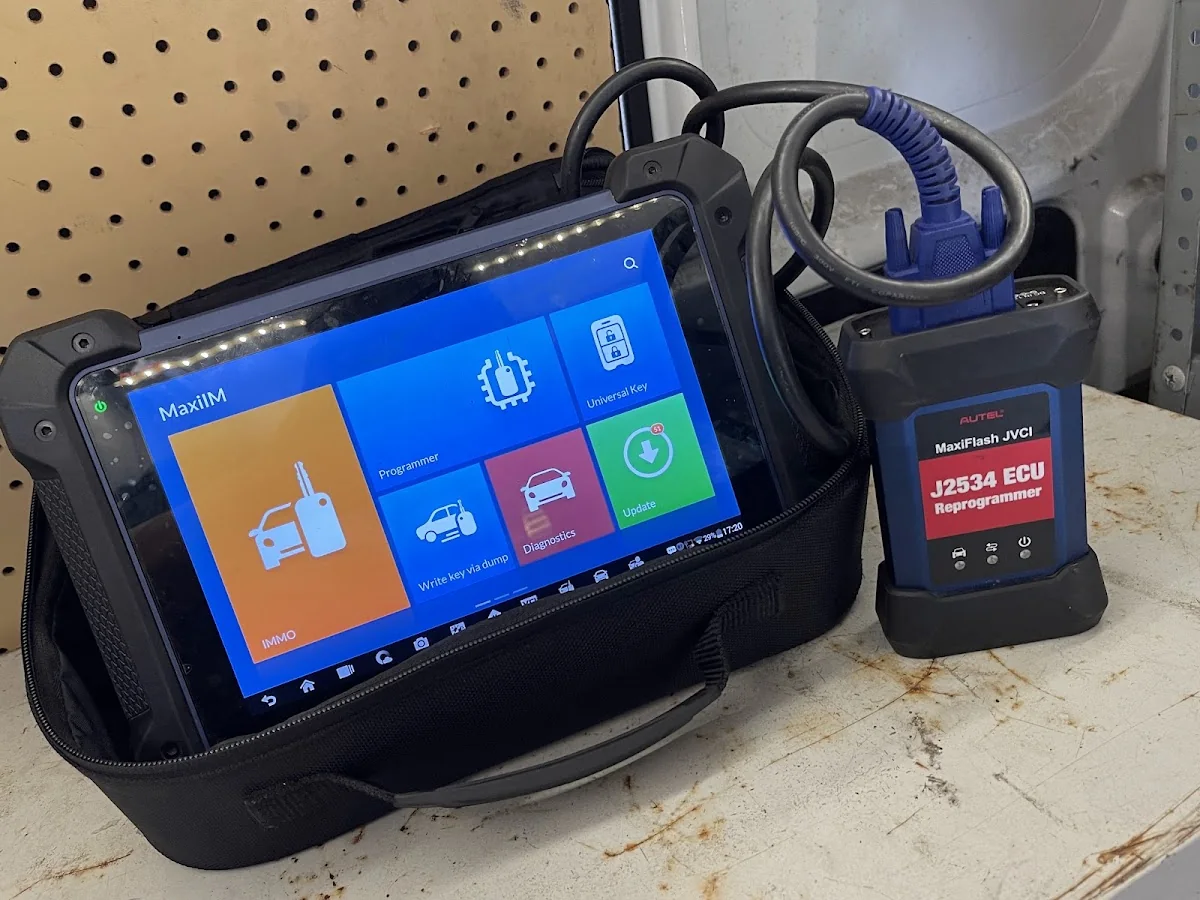
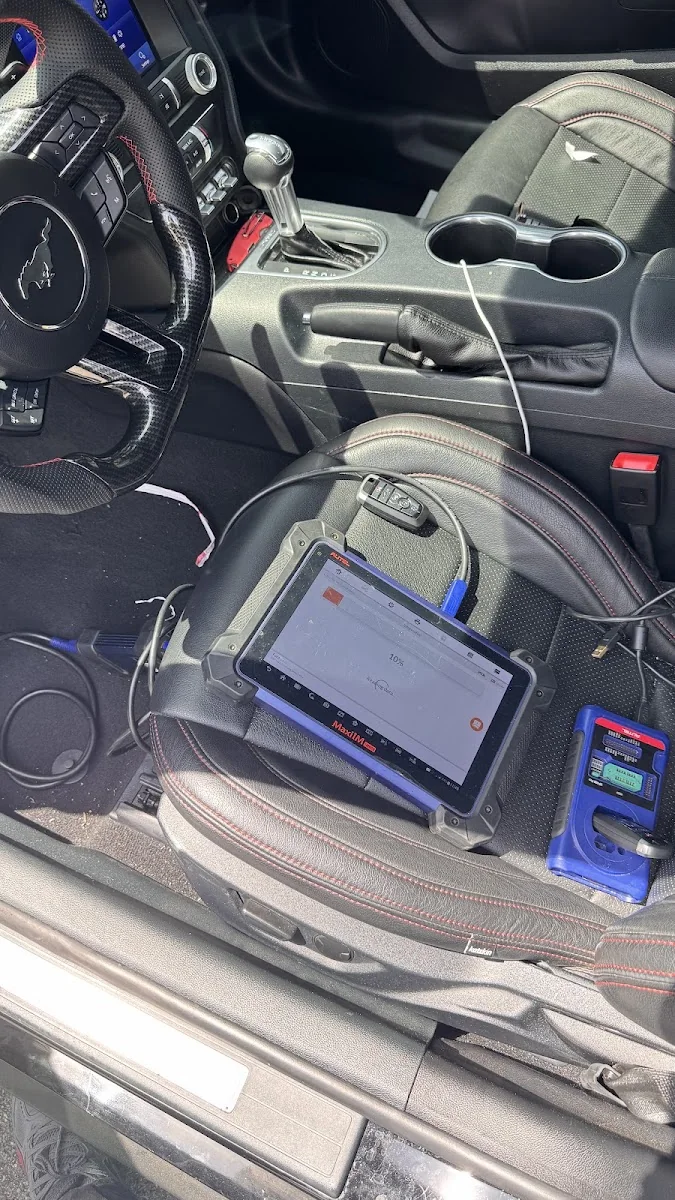
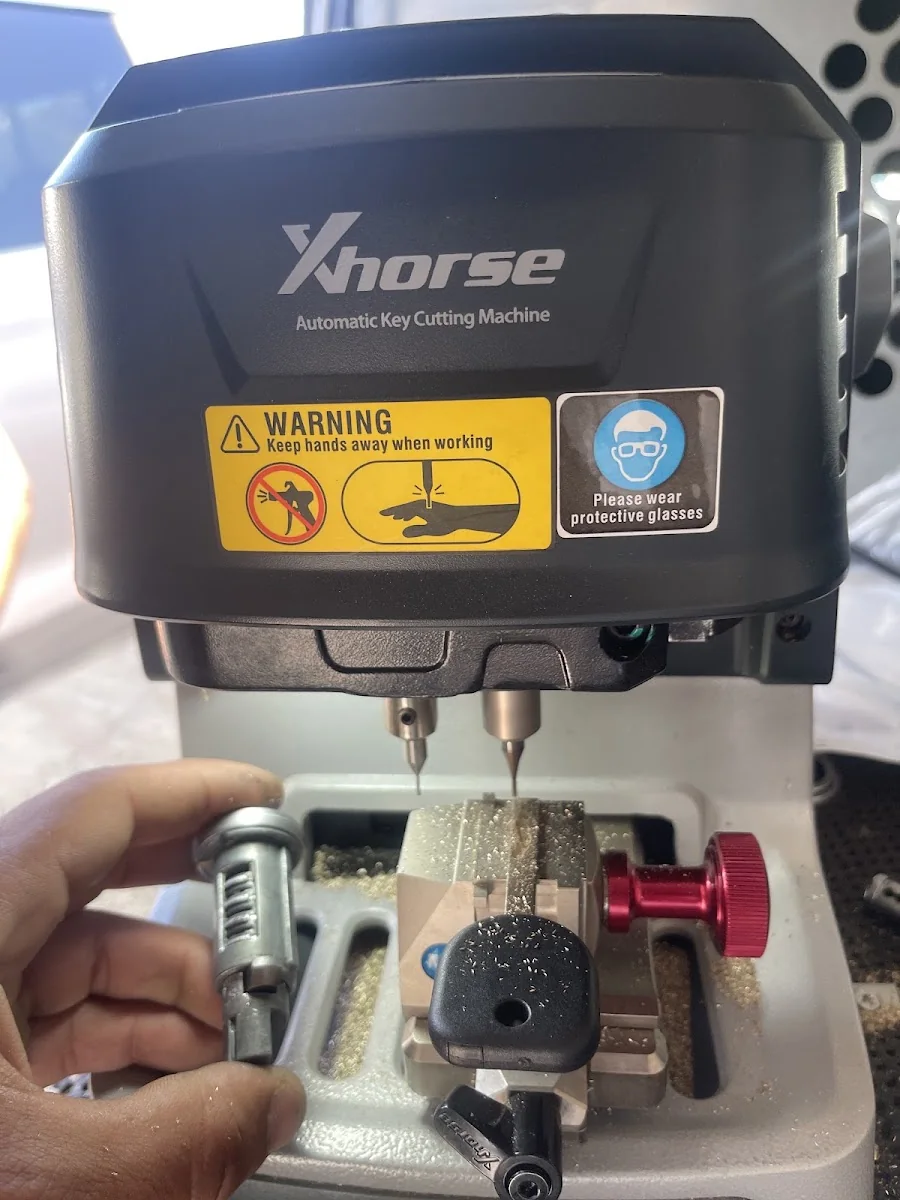
Cutting creates the blade shape that works a mechanical lock. Programming establishes the electronic relationship required by a compatible transponder or smart key. Many replacement jobs need both, and a quote for only one may not produce a fully usable key.
A matching shell or button layout does not establish compatibility. Before buying a fob online, ask whether its exact part identification, frequency, key type and condition suit your vehicle and whether your chosen locksmith can program that supplied part.
An emergency blade provides mechanical access on vehicles designed to accept it. It usually serves a different purpose from the smart-key electronics. Whether it is cut, where it is used and how the vehicle starts with a weak fob battery depend on the exact vehicle.
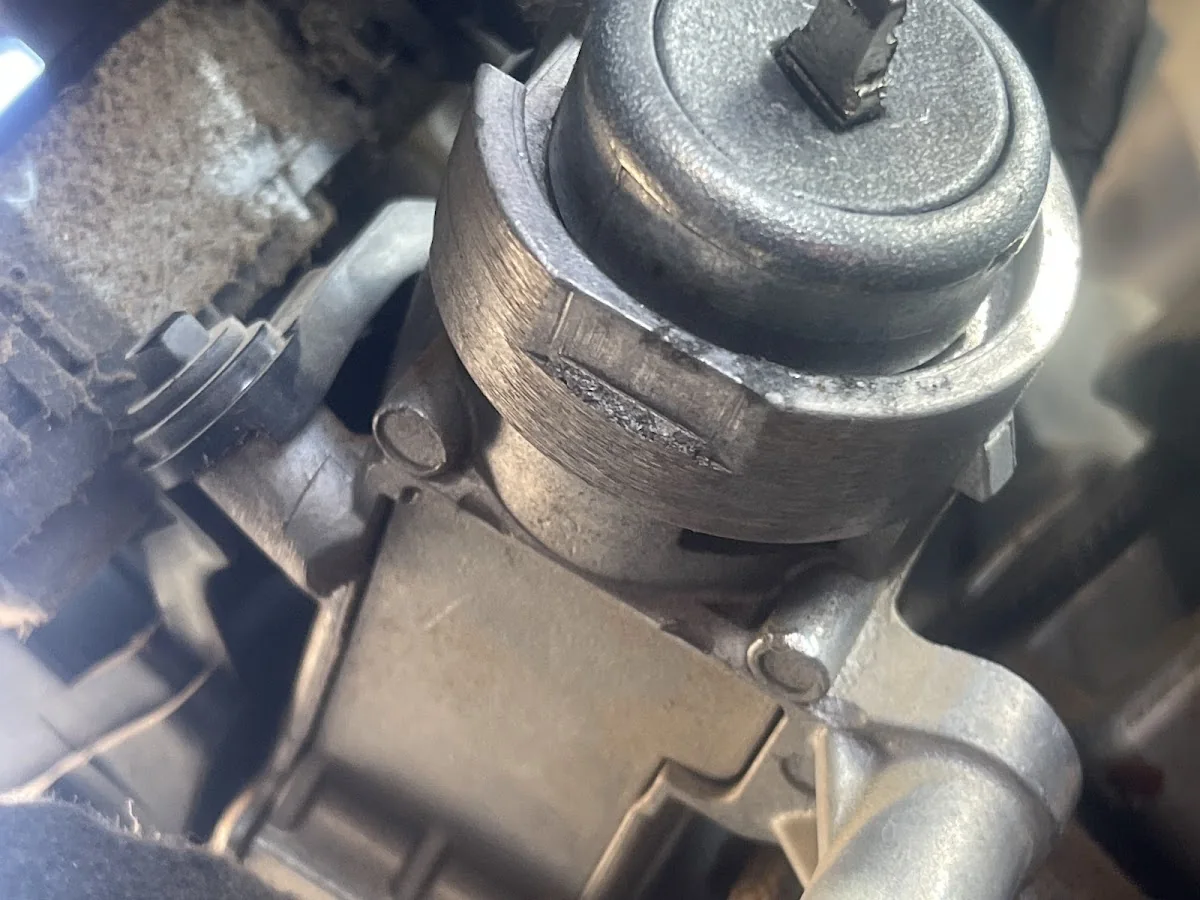
Stop forcing a key that will not turn. Describe whether the problem began suddenly, whether a spare behaves differently and whether the key is bent or worn. A sticking ignition needs diagnosis before deciding between a new key, repair or replacement hardware.
Compare the complete service available for your exact vehicle. Mobile key service can avoid moving a safely parked vehicle when supported, while some jobs require a dealer or another specialist. Confirm compatibility, authorization, parts and the final cost with each provider.
A replacement shell repairs the outer housing only when the existing electronics and other transferred parts remain suitable. A complete replacement fob includes electronics that may need programming. Identify what is actually broken before ordering a housing or a new key.
Tell the locksmith what liquid exposure occurred, when it happened and whether a spare still works. A fob that temporarily works after drying may still have internal damage. Diagnosis should establish whether the housing, battery contacts or electronics need attention.
Some vehicle systems support removing missing keys from electronic authorization, but the method and scope depend on the exact vehicle. Ask what the process disables and which retained keys must be present. Electronic removal does not physically change a mechanical door lock.
Mechanical door access does not establish electronic starting authorization. Describe whether the engine cranks, what message appears and how a spare behaves. A locksmith needs those details before deciding whether the problem concerns the key, its programming or another vehicle fault.