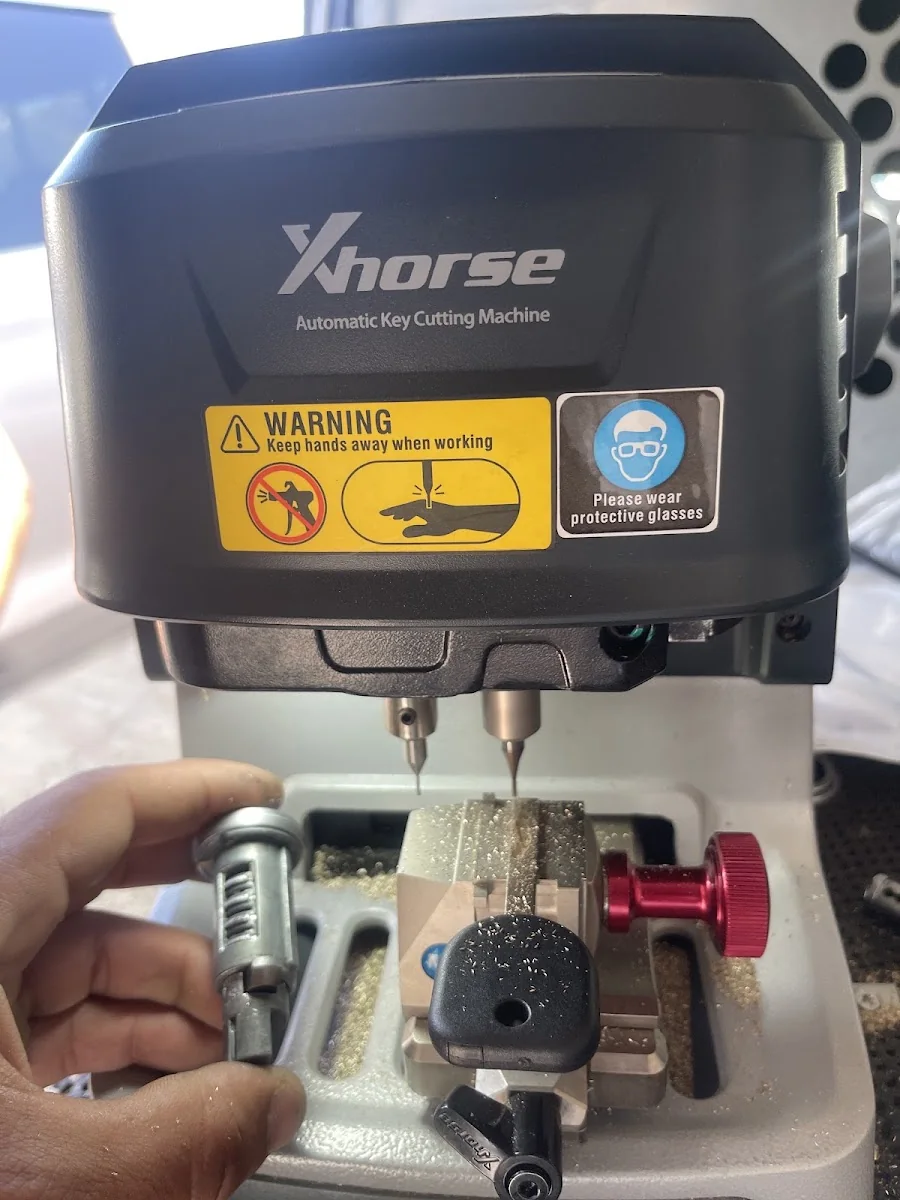
The keyway is the shaped opening that accepts a compatible key profile. Keys can have similar outside outlines yet different grooves or thicknesses, so appearance alone does not establish fit. A duplicate needs both a suitable blank and accurate cuts. Tell the locksmith which lock the key operates; do not force a near-match into the cylinder to test an online listing.
A supplier may use its own part name or an equivalent-reference number for a compatible blank. That does not make every similar listing interchangeable, especially when electronics are involved. Save the complete supplier description and ask which reference the technician is using. Match the actual blade profile, key system and application before treating two different catalog names as the same finished key.
Identification establishes what kind of blank, housing or electronic key is involved. Decoding determines the information used to reproduce the operating cut pattern through the appropriate authorized method. Knowing the blank name alone does not specify a working key. Explain whether you have a usable original, a damaged key or no key so the provider can determine what information is available.
A visual comparison can reveal an obvious difference, but it does not establish matching dimensions, wear or electronic identity. Two keys that look the same may behave differently, and two physical copies may represent the same electronic credential. Describe what each key actually operates. Have the provider check the mechanical and electronic functions relevant to the job instead of relying on a side-by-side photo.
Avoid publishing detailed key cuts together with a home address, unit number, vehicle identification or other information connecting the key to its lock. Send service photographs directly through an agreed private channel. Public reviews can describe the quality of the work without showing sensitive key information. If you need a comparison photo, ask the provider which markings are necessary before sharing extra personal details.
Backset is the distance from the door edge to the center of the lock's main mounting hole. It is different from the distance between two locks on the same door. Measure using the prospective hardware's diagram and record the units. Common residential products support specified backsets, but an adjustable latch is not universal. Send measurements and door photos before ordering replacement hardware.
The face bore is the opening through the broad faces of the door for the lock assembly. The edge bore is the opening from the edge for the latch or bolt. Both affect installation, and a compatible-looking handle does not establish that every opening matches. Compare the complete preparation drawing with the existing door before drilling, enlarging holes or purchasing parts.
The assembly, connecting parts and fasteners must suit the door's thickness. A lock that looks correct from the outside may not assemble properly on an unusually thick or thin door. Measure the actual door rather than a decorative trim edge, and compare it with the product's allowed range. Ask whether a manufacturer-approved thick-door kit or a different model is needed.
Handing identifies the orientation required by the hardware, but ordering conventions can vary with the product. Send a photo from each side and state which way the door swings. Use the selected manufacturer's diagram rather than relying on an ambiguous left-hand description. Some levers are reversible, while other assemblies require a particular version, so confirm the exact model before buying.
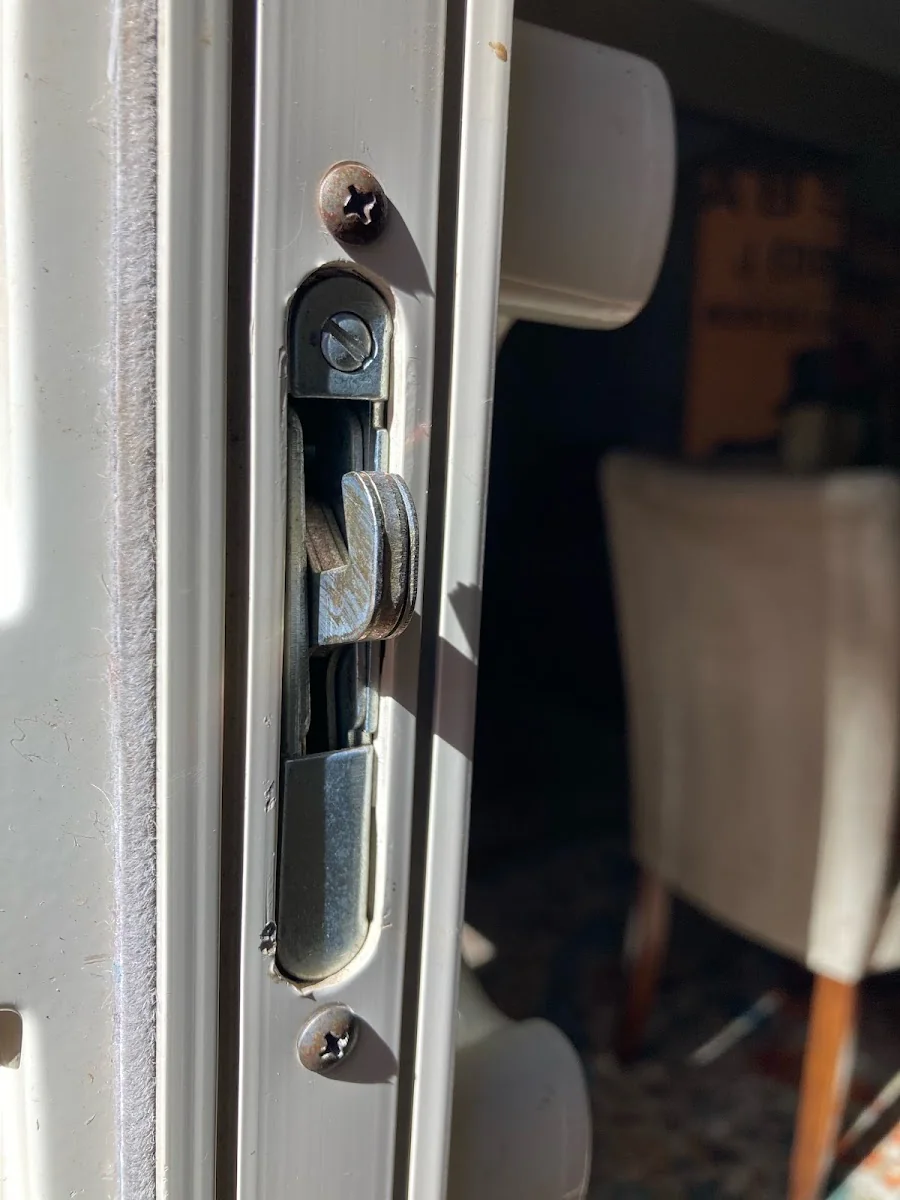
The edge preparation and approved latch components must match. A different corner shape may leave gaps or require a properly assessed change to the door preparation. Check whether the manufacturer supplies interchangeable faceplates for that exact latch. Do not assume a visually similar plate from another brand fits the mechanism or preserves the intended mounting and latch operation.
They use different arrangements at the door edge. A faceplate latch mounts with its specified plate, while a drive-in design uses the approved collar arrangement. The correct choice depends on the existing preparation and supported product components. Photograph the door edge and compare the installation guide before ordering. Mixing parts simply because the latch length appears similar can create an unreliable installation.
A front-door handleset can have a lower attachment point beyond the main lock bore. Its position and allowed adjustment determine whether a replacement covers and uses the existing preparation. Record the center-to-center measurements shown in the product guide and photograph the entire handle. A matching deadbolt position alone does not prove the full handleset will fit without door work.
Trim may cover an opening without correcting damaged material, mislocated holes or an incompatible mechanism. Ask the installer to assess the support beneath the visible hardware. A larger rose or escutcheon can be an approved design choice, but its appearance is not proof of a secure installation. Keep photos of the door and the proposed product's preparation requirements together when requesting an assessment.
Generally they use different door preparation and internal arrangements. A mortise case occupies a pocket in the door edge, while a cylindrical lock uses its specified bored preparation. Replacing one style with another may involve substantial door work or a different hardware plan. Identify the existing mechanism before purchasing a decorative handle that appears to match from the outside.
Use the units in the selected product's guide and label your measurements clearly. Avoid rounding a close measurement into a familiar standard size. If your tape shows both units, a photo of the measurement can help resolve ambiguity. The important distinction is also where you measured: hole centers, door thickness and trim edges describe different dimensions even when their numbers look similar.
A passage handle operates a latch without providing a locking function. It can suit an interior opening where closing the door matters but restricting entry does not. Check the proposed product description carefully: matching appearance does not mean matching function. Tell the installer how the room is used so the selected hardware supports that use.
A dummy handle provides a grip without operating a normal latch mechanism. It may be used on a door with separate catches or on the inactive side of a paired opening. Specify whether you need one-sided or paired trim. Buying a dummy version by appearance alone can leave an active doorway without the operating handle it needs.
An interior privacy function should not be assumed suitable for securing an exterior entrance. Its intended use and operation differ from an entry lock. Identify the actual opening, exposure and required access control, then compare suitable products. A keyed-looking slot or emergency-release feature on bathroom hardware is not evidence of exterior security performance.
Identify which leaf normally opens first and which stays secured during ordinary use. Photograph the meeting edges and visible bolts with permission and without dismantling them. The active handle, inactive leaf and shared frame can affect each other. A service request that names the affected leaf is clearer than describing both simply as the front door.
Paint can enter moving parts, obscure identification and interfere with normal operation. Discuss removal and protection of the hardware before refinishing the door, and follow the hardware manufacturer’s finish-care instructions. Do not treat a matching paint color as an approved finish repair. Tell the painter which components need to remain free of coatings.
Start with the exact manufacturer’s care instructions for the finish. A method suitable for one coating may damage another. Use the recommended gentle approach, keep excess liquid away from openings and dry as directed. Avoid choosing an abrasive cleaner merely because it works on other metal objects around the house.
A wedge does not repair a latch or establish that the door is secure. Explain whether the door will not stay closed, will not open or will not latch consistently. An installer can assess the hardware and door condition together. On shared or designated fire doors, do not improvise hold-open arrangements; contact the responsible building manager.
Clearance depends on the lever shape, rose size, mounting position and surrounding trim. The door bore can match while the lever still collides during movement. Photograph the interference and provide the exact product information. A compatible lever profile or a properly planned installation change may be needed; forcing the handle does not correct insufficient clearance.
No. Finish names describe appearance, and even similar colors can differ between brands or product lines. Internal components and mounting details require their own compatibility check. Order by exact product and part identification, then confirm the finish separately. This prevents a visually matching replacement from being mistaken for a mechanically interchangeable component.