Home locks
A door wedge cannot repair a failing latch
A wedge does not repair a latch or establish that the door is secure. Explain whether the door will not stay closed, will not open or will not latch consistently. An installer can assess the hardware and door condition together. On shared or designated fire doors, do not improvise hold-open arrangements; contact the responsible building manager.
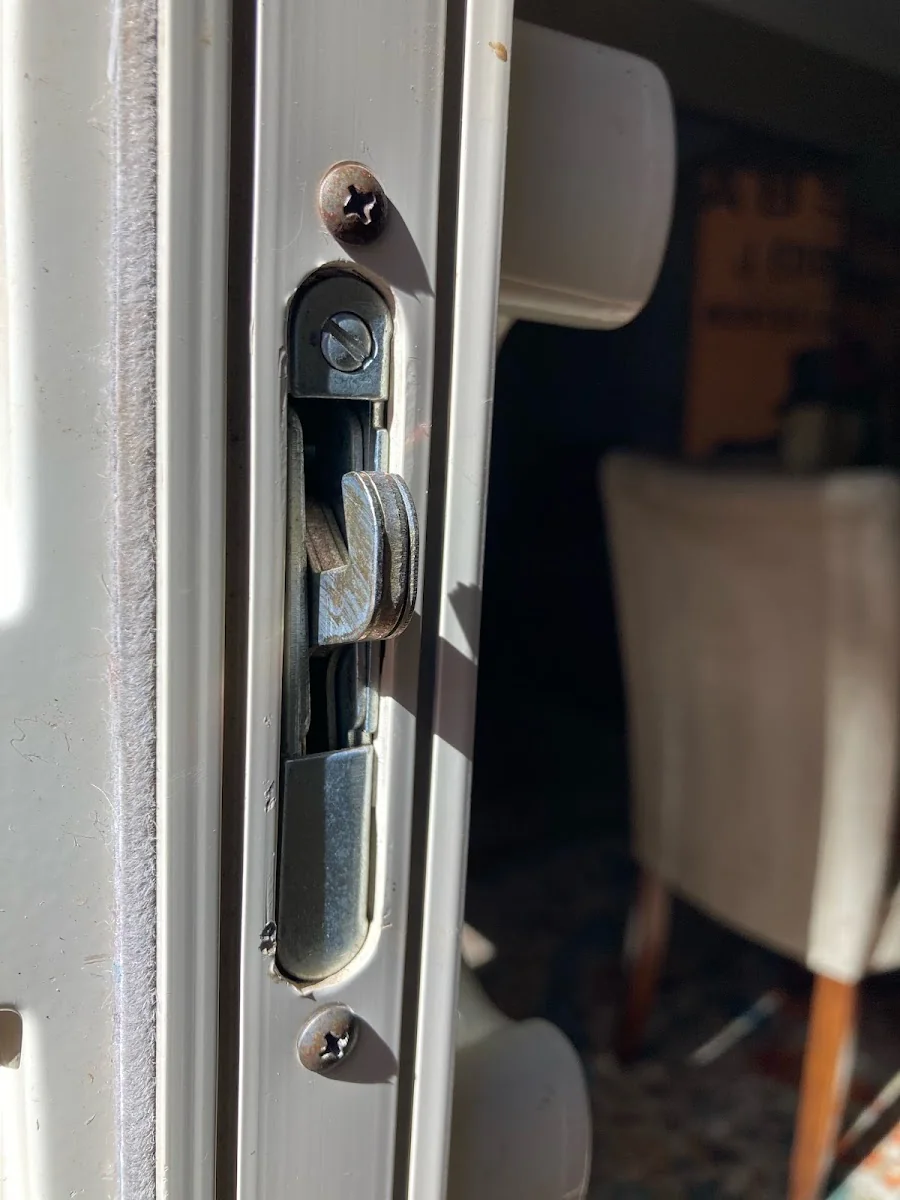
Identify the problem the wedge is hiding
A door may drift open, fail to latch or resist normal movement for different reasons. A wedge can temporarily change its position without explaining the underlying problem. Describe what happens when the opening is used normally and whether the latch engages as intended. Do not treat a door that stays in place only because of an improvised prop as evidence that the hardware is functioning correctly.
Separate holding open from securing closed
Those are different goals, and neither should be confused with repairing the latch. If the household wants an approved hold-open arrangement for convenience, discuss that purpose directly. If the door needs to remain secured, explain the failure instead of asking for a stronger wedge. A provider can assess the appropriate hardware or repair route once the intended behavior is clear.
Respect the role of shared-building doors
Some openings have designated functions within the building that make improvised hold-open practices inappropriate. For shared or labeled fire doors, contact the responsible manager and qualified provider before changing how the opening is held. This guide does not determine a building's requirements. The practical step is to identify the opening and have its intended operation reviewed rather than bypassing a troublesome condition with a convenient object.
Describe observations that help the assessment
Record whether the latch moves with the handle, whether the door closes fully and whether the symptom changes when the opening is used normally. Keep children and other users from relying on a questionable arrangement while service is coordinated. Avoid dismantling the latch or altering the frame to create a quick fit. Clear symptoms and photographs can help define the appointment without hiding the problem behind an improvised adjustment.
Confirm the intended operation after repair
The finished check should show the door performing its agreed function through normal use. If a separate door or frame issue remains, document that instead of presenting the latch replacement as the complete solution. Use the exact hardware manufacturer's instructions for its components; Schlage support is relevant for identified Schlage products. A successful outcome removes the need for the workaround because the actual cause has been appropriately addressed.
Before you call
- Describe the original failure without the temporary prop in place.
- Separate a hold-open preference from a latch-repair request.
- Involve the responsible manager for designated shared-building openings.
Follow-up questions
Does a wedge that stops movement prove the hinges are the cause?
No. It changes the door's position without diagnosing why normal operation fails. Report the original behavior and let the complete opening be assessed.
Can a business choose its own workaround for a designated fire door?
The responsible building parties should review the opening's required operation and approved hardware. Do not improvise a hold-open arrangement based on a general household tip.
Official reference
Schlage: product support and FAQs ↗
Official product support. Identify your exact hardware before following installation or troubleshooting instructions.
Published by AID Locksmith, owned by Allan, serving Greater Sacramento. General service checklists are editorial guidance; product instructions apply to the named model.