Home locks
Why matching key teeth by eye can lead to a bad duplicate
A visual comparison can reveal an obvious difference, but it does not establish matching dimensions, wear or electronic identity. Two keys that look the same may behave differently, and two physical copies may represent the same electronic credential. Describe what each key actually operates. Have the provider check the mechanical and electronic functions relevant to the job instead of relying on a side-by-side photo.
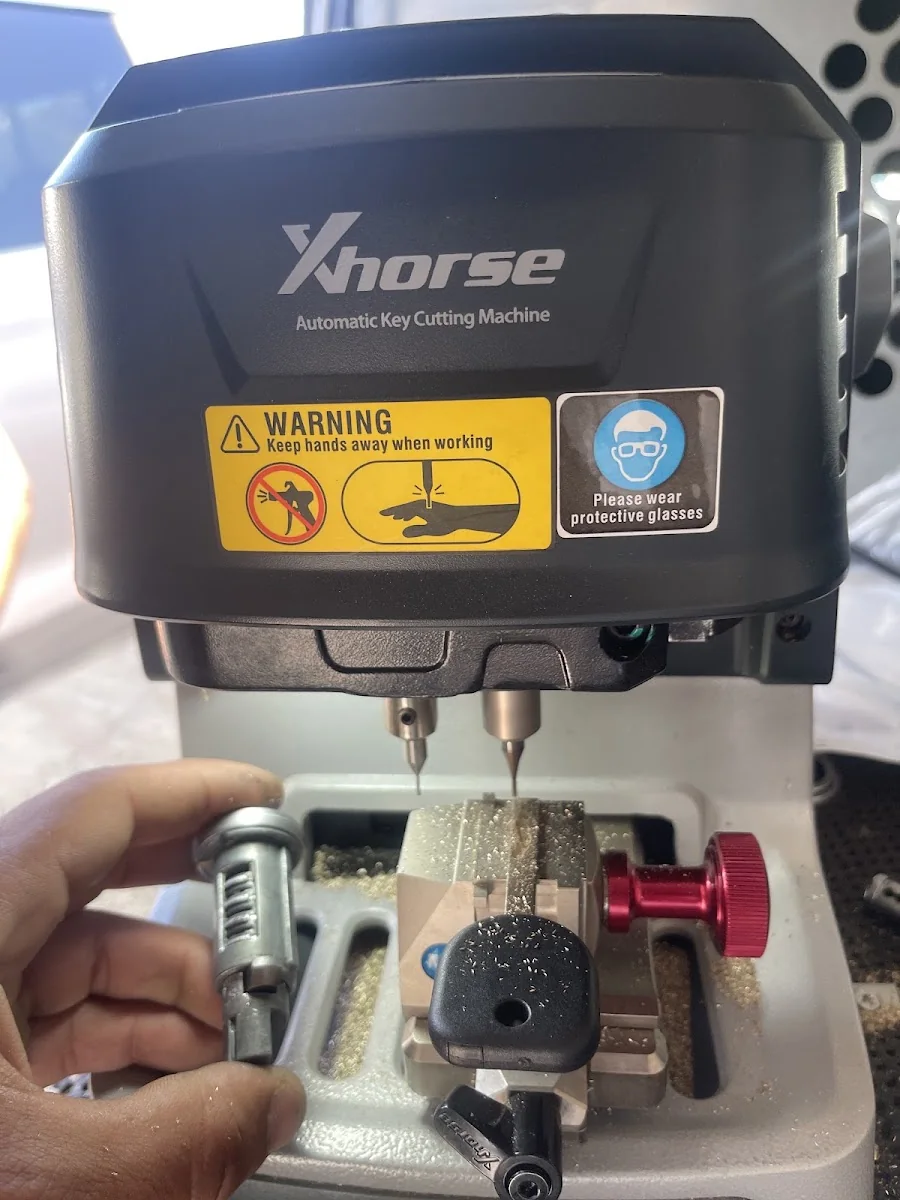
Visual similarity is a limited comparison
Two keys can look nearly identical while differing in meaningful dimensions, profile or wear. Lighting, camera angle and rounded edges can conceal those differences. Conversely, keys with different head designs may serve compatible hardware. Looking at the teeth can raise a question, but it should not settle a purchase or justify forcing a key into a lock. The actual credential and intended opening need a proper fit and operation assessment.
Sort keys by known behavior first
When clearing an old key drawer, separate keys you can positively identify from those with uncertain history. Record which authorized opening each known key operates normally. Do not carry out forceful trials across a collection of locks to discover a match. If a key is bent, damaged or associated with an unknown property, preserve the context you have and ask the appropriate owner or provider how it should be handled.
Understand what wear changes in the discussion
A frequently used key may look smoother than a little-used spare. That does not establish which is the best reference for making another key. Explain which sample currently works reliably and whether any lock has become difficult to operate. A technician can assess the relevant components without treating the most worn sample as the unquestioned standard. Reproducing a visible outline is not the same goal as restoring dependable everyday use.
Avoid mixing keys after a coordinated service visit
If several doors are serviced at once, separate the old and newly supplied keys during the demonstration. A matching finish or head color can make it easy to return the wrong key to a family member. Use neutral temporary labels and update the private household record after the work is explained. Ask which keys remain relevant rather than deciding that a visually similar old key must still belong in circulation.
Use a meaningful acceptance check
Test the intended key in the actual authorized lock through normal operation. Note whether the door closes and secures as expected, since a good key alone does not resolve every door problem. Keep the supplied part information and the provider's explanation of any remaining issue. For Schlage hardware, official support can assist with product identification; it does not make a photograph of key teeth a complete diagnosis of the opening.
Before you call
- Sort samples by known operation and recorded ownership.
- Keep old and new keys separate during handover.
- Judge completion by normal use of the intended opening.
Follow-up questions
Is the newest-looking sample always the best one to copy?
Not necessarily. Its origin and actual operation matter more than appearance. Tell the provider which sample is known to work reliably and which has an uncertain history.
Can a phone photograph show every difference between two keys?
No. Scale, depth, angle and concealed profile details can be misleading. Use photographs for context, and allow a direct assessment when accurate fit is required.
Official reference
Schlage: product support and FAQs ↗
Official product support. Identify your exact hardware before following installation or troubleshooting instructions.
Published by AID Locksmith, owned by Allan, serving Greater Sacramento. General service checklists are editorial guidance; product instructions apply to the named model.