Home locks
Why the keyway matters before a duplicate key is cut
The keyway is the shaped opening that accepts a compatible key profile. Keys can have similar outside outlines yet different grooves or thicknesses, so appearance alone does not establish fit. A duplicate needs both a suitable blank and accurate cuts. Tell the locksmith which lock the key operates; do not force a near-match into the cylinder to test an online listing.
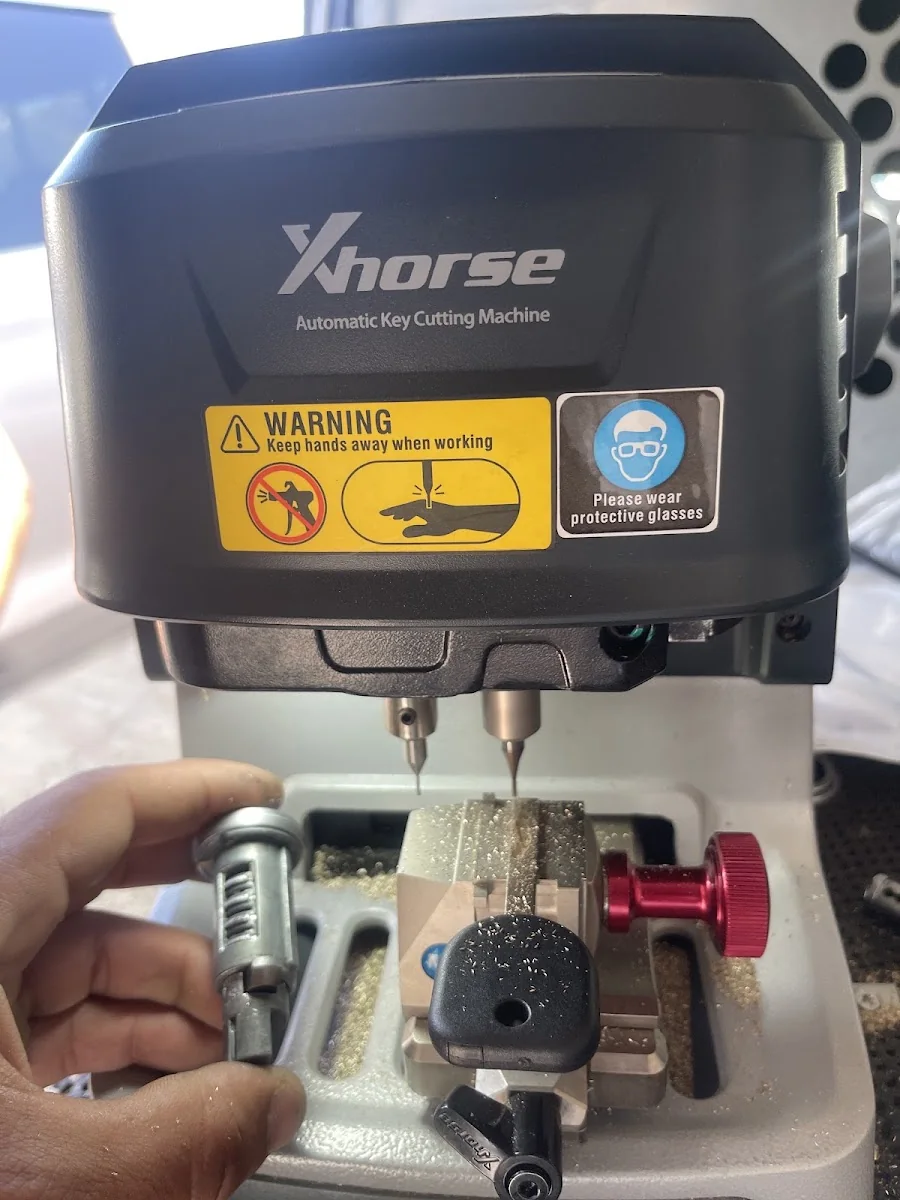
Start with the opening the blade must fit
The keyway is the shaped opening and corresponding guide arrangement that accepts the correct blade profile. It is a different feature from the visible cut pattern along a key. A blade can have apparently similar teeth yet be unsuitable for the opening. Identifying the profile first prevents time being spent reproducing cuts on a piece that was never intended to enter or operate the lock correctly.
Describe fit without forcing the key
Tell the locksmith whether the key will not enter, enters only partway, enters fully without turning or turns inconsistently. These are observations, not diagnoses, and should remain separate in your description. Do not file a blade or apply extra force to make a close match fit. Altering it can damage useful identification features and leave the technician assessing both the original mismatch and damage introduced during the attempted repair.
Think beyond a shared brand name
A household may contain hardware installed at different times, including replacement cylinders within familiar handles. The brand visible on the outer trim therefore does not always explain every internal compatibility question. If you want coordinated keys, identify the actual locks involved rather than submitting one photograph of a matching finish. A technician can determine which components support the desired arrangement and whether some doors need a different plan.
Separate convenience from the scope of replacement
A request for one convenient household key is an access-planning goal. It does not automatically mean every handle must be replaced, nor does it establish that every existing lock can be made compatible. Ask for the proposed work door by door. The estimate should make clear which components are retained, which are changed and what happens to existing keys, so convenience is achieved through an understood hardware arrangement.
Leave with a usable map of the result
Label the serviced openings in a private record and test the keys intended for each one. If an outbuilding remains on a separate key, record that as an intentional exception rather than an unexplained failure. Keep the lock identification and relevant manufacturer support information available for later maintenance. For Sacramento households adding a spare years later, this record can prevent a new purchase from being based only on an old handle photograph.
Before you call
- Record entry and turning symptoms separately for each lock.
- Identify all openings included in a coordinated-key request.
- Keep intentional exceptions clear in the household key record.
Follow-up questions
Does a key that slides in smoothly prove correct operation?
It establishes only part of the fit assessment. The intended key must operate the authorized lock normally, and the door assembly must also work correctly in ordinary use.
Can two doors with different-looking handles share compatible keys?
Appearance alone cannot settle that. The relevant lock components and key system need identification before a locksmith can explain the available options for those specific doors.
Official reference
Schlage: product support and FAQs ↗
Official product support. Identify your exact hardware before following installation or troubleshooting instructions.
Published by AID Locksmith, owned by Allan, serving Greater Sacramento. General service checklists are editorial guidance; product instructions apply to the named model.