Home locks
Key blank cross-references: comparing different brand labels
A supplier may use its own part name or an equivalent-reference number for a compatible blank. That does not make every similar listing interchangeable, especially when electronics are involved. Save the complete supplier description and ask which reference the technician is using. Match the actual blade profile, key system and application before treating two different catalog names as the same finished key.
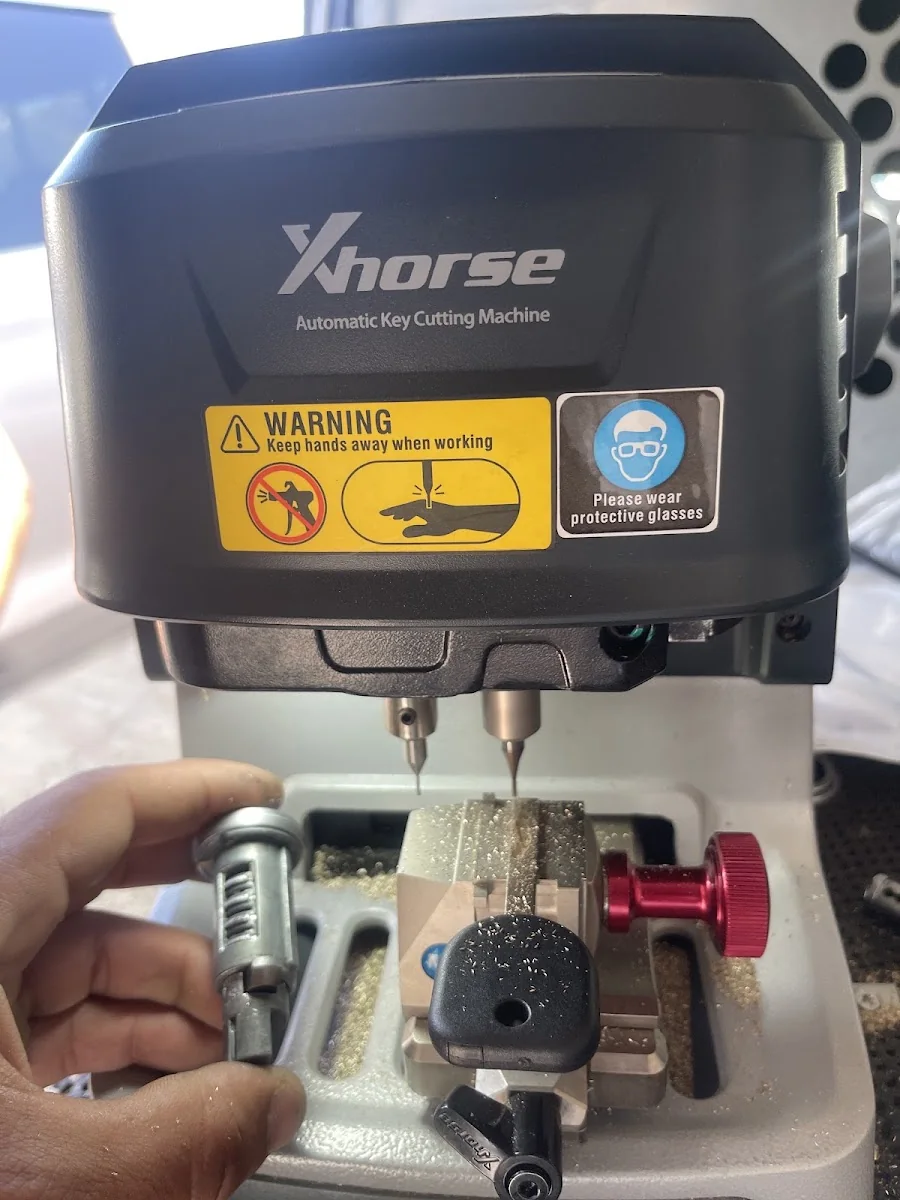
A supplier name is only one layer of identification
Different suppliers can label products using their own references, and comparison charts may connect certain references to a compatible blank profile. That does not mean every product with a similar name or outline is interchangeable. A cross-reference is an identification aid whose scope matters. Treat it as a starting point for a qualified compatibility check, especially when a listing combines several product names without explaining the exact item supplied.
Preserve the complete listing information
Save the manufacturer's name, full part reference and stated application before ordering. A screenshot of a cropped key picture is much less useful than the actual product description. Note whether the item is a bare blade, an assembled mechanical key or an electronic product. If the seller uses alternative references, ask whether these describe verified equivalents or simply search terms included to attract buyers with related products.
Consider an older household key
An older spare may carry a supplier stamp that differs from the name on the door hardware. That difference does not by itself show a fault. It may reflect the blank used for a previous duplicate. Conversely, a familiar stamp is not proof that a newly purchased blank fits the current cylinder. Have the working sample and the relevant lock assessed together instead of deciding based on a single brand mismatch.
Keep electronic compatibility out of mechanical assumptions
For automotive products, a blade cross-reference should not be stretched into a conclusion about the fob's electronics or vehicle enrollment. These are separate aspects of the completed key. Even a correct physical component may be packaged with an unsuitable assembly. State the whole service goal to the provider and ask which parts of the product can be confirmed before cutting or other work affects its return eligibility.
Record the reference that was actually used
At completion, keep the supplied part description with the relevant door or vehicle record. Where the technician explains an equivalent reference, record it as applying to that particular serviced system rather than a universal rule. This is useful when ordering future spares or explaining the work to another household member. Schlage's product support can help with Schlage hardware identification, while supplier equivalence questions require the correct product-level information.
Before you call
- Save complete supplier references and the stated application.
- Separate blade equivalence from electronic-key compatibility.
- Record any confirmed equivalent against the particular serviced lock.
Follow-up questions
Is a marketplace list of alternative blank numbers authoritative?
It may be useful context, but it does not replace the manufacturer or supplier's actual compatibility information and assessment of the specific lock or key system.
Should I discard a working key because its stamp differs from the lock brand?
A different stamp alone is not a reason to discard it. Preserve the working sample and have the relationship identified if you need another suitable key.
Official reference
Schlage: product support and FAQs ↗
Official product support. Identify your exact hardware before following installation or troubleshooting instructions.
Published by AID Locksmith, owned by Allan, serving Greater Sacramento. General service checklists are editorial guidance; product instructions apply to the named model.