Home locks
Paired doors: identify the active leaf before requesting lock repair
Identify which leaf normally opens first and which stays secured during ordinary use. Photograph the meeting edges and visible bolts with permission and without dismantling them. The active handle, inactive leaf and shared frame can affect each other. A service request that names the affected leaf is clearer than describing both simply as the front door.
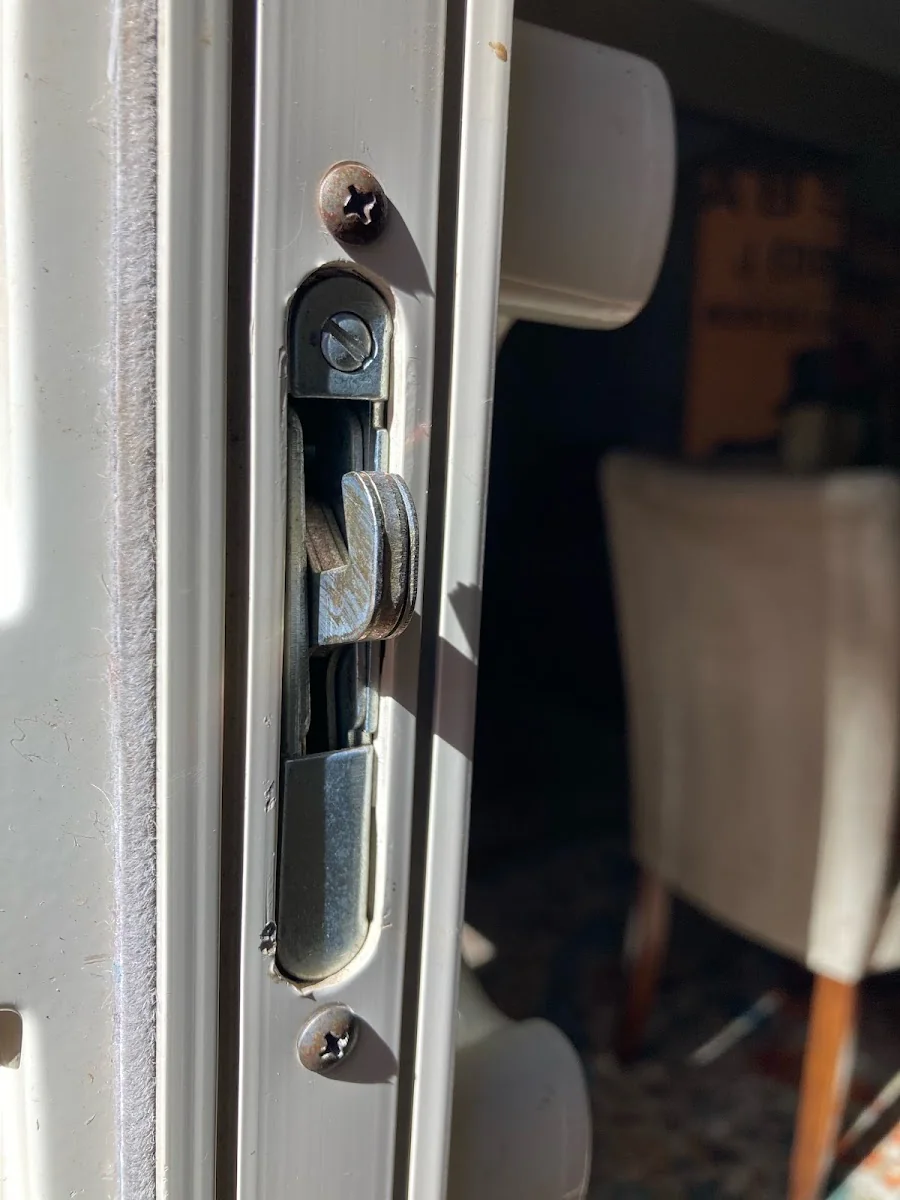
Treat the pair as one opening with distinct parts
Two leaves can have different everyday roles. One may normally open while the other remains secured until wider access is needed. A symptom at their meeting edge can involve more than the handle closest to it. Describe the complete opening and identify the affected leaf so the provider does not arrive expecting an ordinary single door with one independent latch arrangement.
Use clear labels in photographs
Choose a consistent viewing side, then label the leaves in your private service notes. Include the full opening and the meeting edges where visible through normal authorized use. State which leaf opens first and which is usually stationary. This avoids ambiguity when a technician and owner discuss left and right while looking at photographs taken from opposite sides.
Describe the sequence that fails
Explain whether the active leaf will not latch, the inactive leaf will not remain in its intended position or the pair becomes difficult only after both have been opened. Keep those observations separate. Do not adjust unfamiliar bolts or hardware to test a theory. The operating sequence gives useful diagnostic context without requiring the owner to dismantle the system or decide which component must be replaced.
Check the requested replacement's role
A matching decorative handle can be an operating component or nonturning trim. Confirm the function and position of any ordered part. If the project includes both leaves, ask the estimate to identify the work on each rather than describe a single front-door handle replacement. This is particularly useful when the visible trim is symmetrical but the internal arrangements and service needs differ.
Review the pair together at handover
Have the normal opening and closing sequence demonstrated for the complete pair, including the intended use of the less frequently opened leaf. Record any unresolved door or frame condition separately from the lock work. Manufacturer information, including Schlage support for identified Schlage components, should be read alongside the actual opening arrangement. Completion should reflect the behavior of the pair, not just movement of one newly fitted handle.
Before you call
- Label leaves from one stated viewing side.
- Describe the opening sequence and the exact stage that fails.
- Check complete paired-door operation after the agreed work.
Follow-up questions
Is the leaf with a decorative handle always the active door?
No. Decorative trim can appear on an inactive leaf as well. Identify the normal operating sequence and actual mechanism rather than assigning the role from appearance.
Should both leaves be included in a lock-service photograph?
Yes, when their relationship is relevant. A full-opening view and clearly labeled closer details help explain how the pair operates and where the symptom occurs.
Official reference
Schlage: product support and FAQs ↗
Official product support. Identify your exact hardware before following installation or troubleshooting instructions.
Published by AID Locksmith, owned by Allan, serving Greater Sacramento. General service checklists are editorial guidance; product instructions apply to the named model.