Business locks
Issuing an employee a replacement key: document the handover and its limits
Record the vehicle or opening identifier, recipient, issue date, key description and expected return process. Keep invoices and programming outcomes with the authorized asset record. State whether older credentials were retained or addressed as part of the service. The issue record is an administrative control, not proof that every previous credential has stopped working.
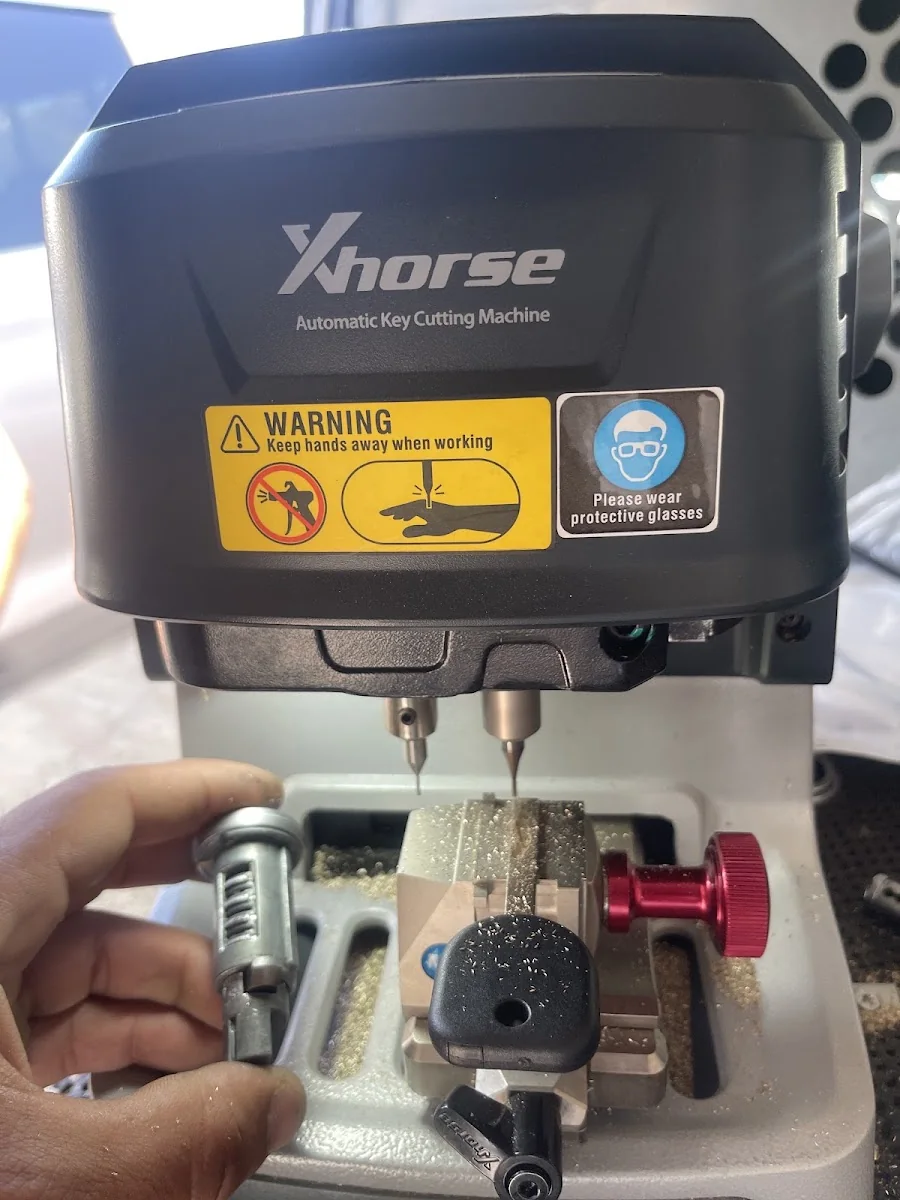
Tie the issue to an identified asset
A replacement key should be connected to the specific vehicle, door or equipment it serves. Use the organization's stable asset or opening identifier and record the recipient. A note saying spare issued can become ambiguous when several employees receive different keys during the same week. Clear identification helps the business understand who has the actual supplied credential and which service record explains its origin.
Record what was supplied
Keep a plain-language description of the key or component and the date of issue. Where work was performed, retain the invoice and demonstrated functions in the authorized maintenance record. Do not include confidential access data in a broadly shared staff sheet. The administrative goal is traceability of the legitimate handover, not collecting every technical detail of the key system in one exposed document.
Explain the employee's responsibilities
State the intended use, whether onward lending is allowed and how the item should be returned when duties change. A physical key does not enforce those expectations by itself. Make the process practical and consistent with the employer's existing arrangements. The person receiving the key should know whom to contact if it is lost or stops working, rather than arranging an unapproved replacement independently.
Distinguish issuance from access removal
Giving an employee a new key does not prove that an older missing credential has stopped working. If that was part of the service goal, record the supported action and its confirmed scope separately. Hardware functions and arrangements differ; Schlage's A-Series documentation illustrates why exact product information matters. Avoid writing a broad security conclusion based solely on the fact that a new physical item was handed over.
Close the record when circumstances change
On return or reassignment, update the issue record and identify any further access decision the responsible manager needs to make. Keep the history accurate without implying that physical return proves no copies exist. A useful key-issue process remains clear across staff turnover because ownership, authorization, service outcome and recipient responsibility are recorded separately. That clarity supports the next legitimate maintenance request without relying on one employee's memory.
Before you call
- Connect the issue to a stable vehicle, opening or equipment identity.
- Explain use, lending and return responsibilities at handover.
- Record access-removal outcomes separately from replacement issuance.
Follow-up questions
Does issuing a replacement prove the lost original was disabled?
No. Document any supported access-removal work separately from the new-key handover. A working replacement alone does not establish the old credential's status.
Should the employee arrange another duplicate without telling the responsible manager?
Follow the organization's approval process. Unrecorded duplication can make the access record inaccurate even when the original employee was legitimately issued a key.
Official reference
Schlage: A-Series service manual ↗
Reference for the named A-Series components and functions. Historical product specifications do not determine current requirements for an individual building.
Published by AID Locksmith, owned by Allan, serving Greater Sacramento. General service checklists are editorial guidance; product instructions apply to the named model.