Business locks
Electric-strike replacement: a matching faceplate is only the first question
No. Physical fit is only one part of selection. The latch or bolt arrangement, frame preparation, electrical requirements, intended function and applicable ratings also need review. Provide the existing lock identification and project requirements to the installer. A strike that fills the visible opening may still be inappropriate for the door assembly.
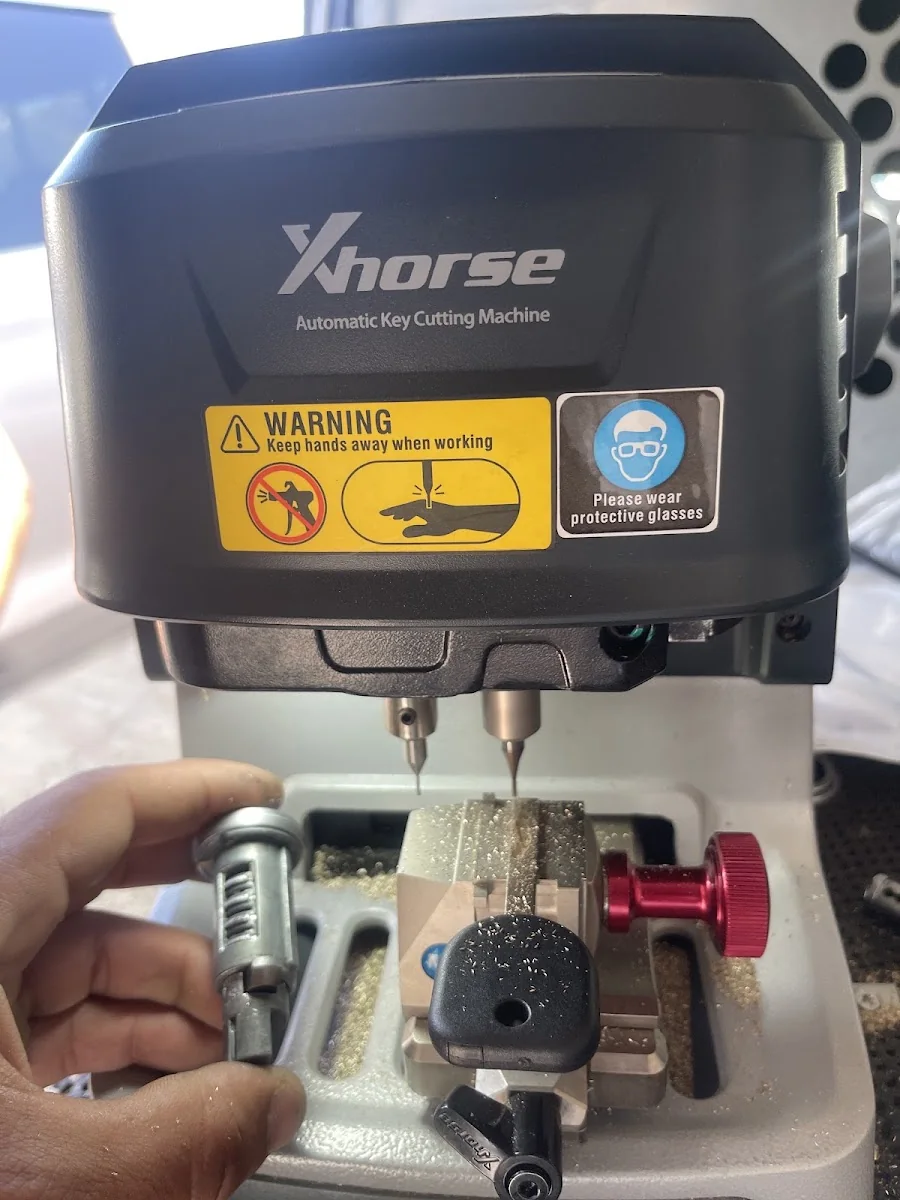
Visible fit does not establish a working system
An electric strike interacts with the installed lock or latch and the door-frame arrangement. A replacement that fills the visible opening may still be unsuitable for the actual mechanism or intended function. Begin with identification of the existing hardware and the complete project requirements. A faceplate measurement is useful information, but it should not become the sole basis for ordering an electrically controlled component.
Identify the mating hardware
Record the lock or latch product and the relevant opening details through the business's authorized maintenance process. Include photographs and available installation records. Do not assume the strike operates independently of the component it receives. The qualified installer needs to assess the relationship, including the intended mechanical fit, rather than choose a part from a photograph that shows only the frame face.
Include electrical and operating requirements
The proposed component must be reviewed against the approved power, control and functional arrangement. Ask the responsible provider to explain the exact specification and who verifies its compatibility. HES’s official electric-strike selector guide considers the existing locking hardware, opening condition and special assembly requirements. This is a useful selection framework, not approval of an unidentified opening. The qualified project team must connect the selected strike to the actual door and control design.
Assess preparation and project boundaries
If the frame needs modification, understand that work and any relevant assembly requirements before it begins. Do not accept a larger faceplate as proof that an old opening has been appropriately repaired. Clarify whether the estimate covers mechanical installation, electrical work, control configuration and final demonstration. Each task should have a responsible party so the completed system is not left between separate scopes.
Retain the approved selection
Keep the installed strike reference, mating hardware information and relevant system records with the opening identifier. Review normal operation through the approved process and document unresolved issues. Future replacements should be checked against that specification rather than the size of the visible plate alone. A clear record makes it easier for a business to preserve the intended doorway behavior when a component eventually needs service.
Before you call
- Identify the mating lock or latch as well as the strike.
- Review electrical requirements and approved operating behavior.
- Assign responsibility for installation, control work and demonstration.
Follow-up questions
Can a strike be chosen solely because its screw holes line up?
No. The mechanism relationship, preparation, electrical requirements and approved function still need assessment. Matching visible mounting points is not a complete compatibility check.
Should a strike quote identify responsibility for connected electrical work?
Yes, when that work is part of the project. Clear scope boundaries help ensure the installed mechanical and control components are verified together.
Official reference
HES: electric-strike selector guide ↗
Selection factors include existing hardware, opening condition and special assembly requirements. A qualified project review determines the actual selection.
Published by AID Locksmith, owned by Allan, serving Greater Sacramento. General service checklists are editorial guidance; product instructions apply to the named model.