Business locks
Storefront door lock repair: information to gather
A commercial entrance combines the lock with a door, frame, closer and sometimes other access equipment. Describe the whole symptom, including whether the door closes and latches. Ask for an assessment that preserves the door's intended operation and required exit function.
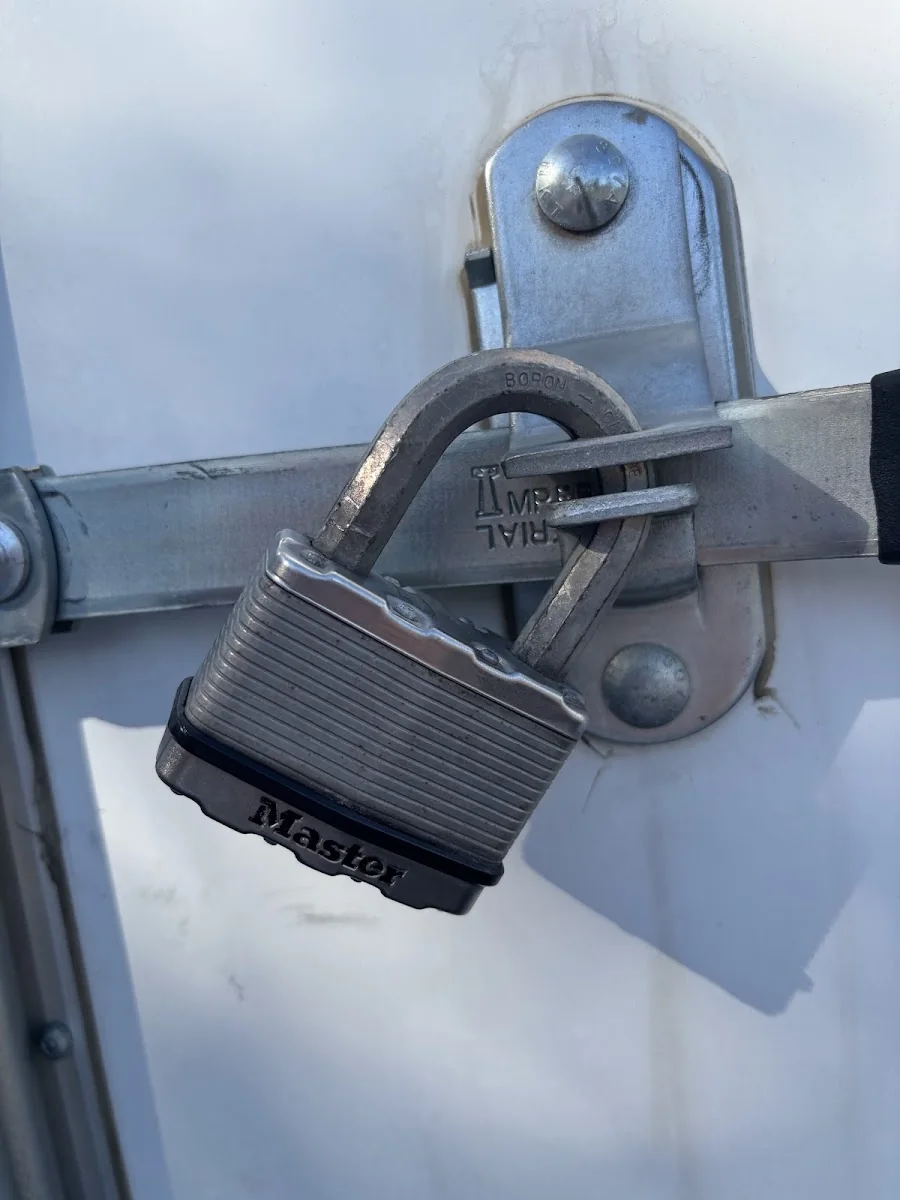
Photograph the relevant hardware
When safe and authorized, take pictures of the inside, outside and edge of the door. Include the lock brand, closer and visible damage. For a glass storefront, wide photos can help show the frame and the relationship between paired doors.
Explain the operating problem
Does the key refuse to turn, the door fail to latch or the handle move without operating the latch? Is the issue intermittent or consistent? Mention recent impact, installation or weatherseal work so the technician can investigate the right components.
Coordinate building responsibilities
Property management, the tenant and an access-system vendor may have different responsibilities. Confirm who can authorize changes and how the entrance should function after service. Do not substitute residential hardware or disable exit hardware as an improvised fix.
Describe the whole entrance cycle
Explain whether the door swings freely, closes under the closer, latches and then locks. Note whether the symptom occurs only when another leaf or an adjacent door moves. Photograph labels and hardware without dismantling the entrance. A lock that appears faulty may be receiving a door that does not settle correctly, so a replacement cylinder alone may not address the complaint.
Coordinate the repair around business operations
Identify who can approve work and whether the landlord, tenant or access-control vendor owns each part of the entrance. Arrange customer access while the door is being assessed. Ask the technician to demonstrate the intended entry and exit functions after repair. Changes affecting required exit operation need the appropriate qualified assessment; an improvised way to keep the door locked is not an adequate handover.
Before you call
- Photograph both sides and door edge
- Describe closing and latching behavior
- Confirm property authorization
- Identify any access-system vendor
Follow-up questions
Should I disconnect the closer if the door will not latch?
Do not treat disabling entrance hardware as the repair. Describe the closing problem and have the door assembly assessed for its intended operation.
What photos help with a commercial door quote?
Send the inside and outside of the entrance, the door edge, closer and frame-side hardware. Include the visible brand or model labels and a description of the failed function.
Official reference
Schlage: product support and FAQs ↗
Official product support. Identify your exact hardware before following installation or troubleshooting instructions.
Published by AID Locksmith, owned by Allan, serving Greater Sacramento. General service checklists are editorial guidance; product instructions apply to the named model.