Home locks
The small lock-information file that makes future repairs easier
Yes. Keep the model, installation sheet, receipt and any setup instructions in a private household record. These help identify replacement parts and the correct support procedure later. Store actual access codes separately from papers shared with contractors. A photograph of the installed hardware can also help if packaging and product labels become unavailable.
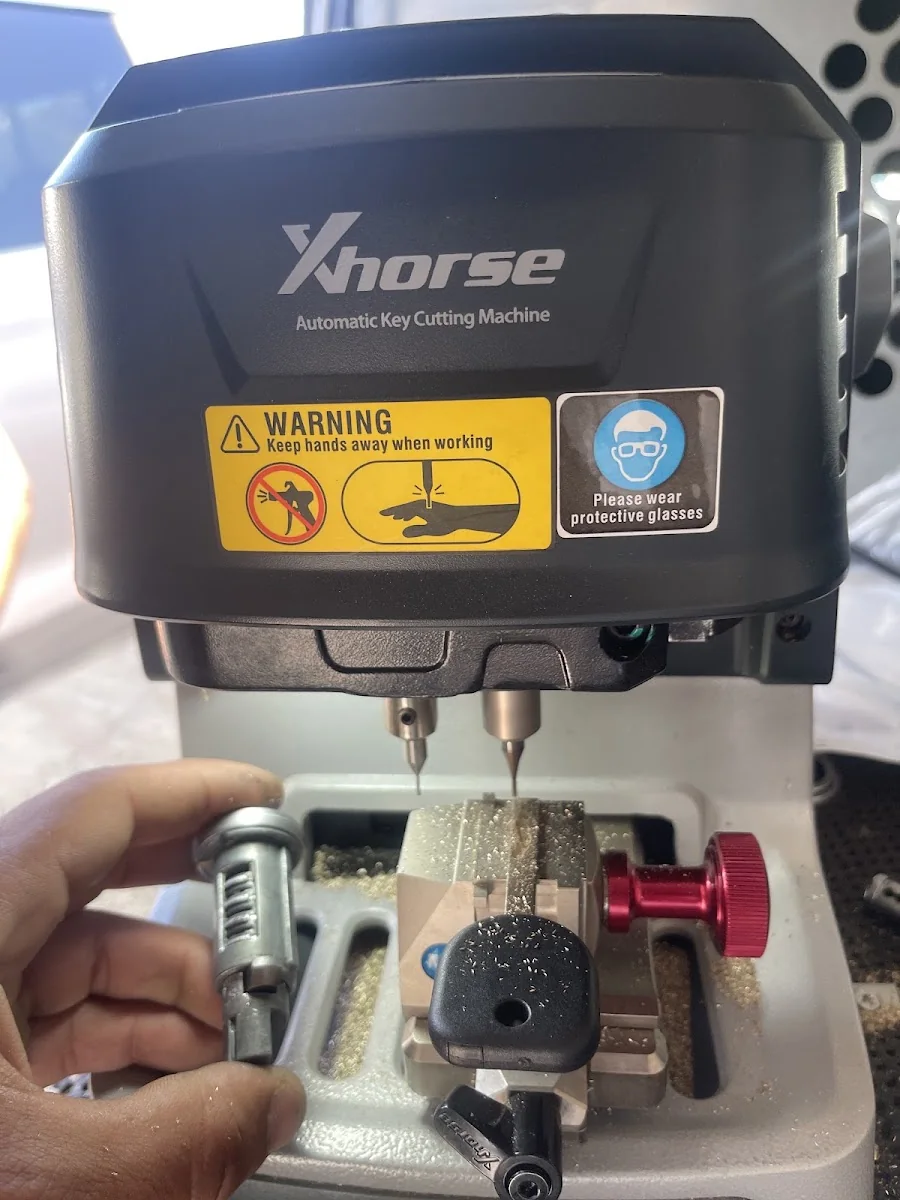
Preserve the details packaging will otherwise take away
Once a lock is installed, its exact model can be harder to identify than it was on the box. Keep the product reference, installation sheet and purchase record before recycling the packaging. Those details can help with approved replacement parts, supported settings and maintenance questions. A photograph of the finished handle is useful context, but it may not reveal which internal arrangement or accessory kit was installed.
Organize records by opening
Give each door a neutral identifier and store its relevant information together. Include the function, product and any approved accessory or preparation work. This avoids mixing the instructions for two matching-looking handles that serve different roles. For a household with several entrances, a short opening list can be more practical than a large folder of unlabeled manuals gathered over many years.
Separate public maintenance information from secrets
A shared maintenance sheet can describe the product, support link and responsible contact without containing active access codes or account passwords. Keep recovery and credential information in an appropriately private record. Review screenshots before sharing them with a contractor. The goal is to make legitimate maintenance easier without turning a convenient documentation file into an unnecessary collection of exposed access information.
Record changes as they occur
If a cylinder, electronic assembly or accessory is replaced, update the relevant entry rather than leaving the original purchase record as the only description. Preserve the earlier invoice as history, but make the current configuration clear. Note any unresolved issue and the provider's explanation. A future technician should be able to distinguish what is installed now from what was supplied before a later repair.
Use official support from the identified product
Schlage's support resources can help locate manuals and guidance for its hardware, but the exact model remains important. Avoid saving only a generic search result that may not lead to the same instructions later. Retain a product-specific reference where available and the installation document you actually used. This small file turns the next repair conversation from guessing at a style into discussing an identified opening with an understandable history.
Before you call
- Save product identification before discarding packaging.
- Organize hardware records by clearly identified opening.
- Update component changes while keeping access secrets separate.
Follow-up questions
Should the shared door-maintenance file contain active keypad codes?
It usually does not need them. Keep product and maintenance information separate from sensitive credentials, and share only what the authorized maintenance task requires.
Is the original installation sheet enough after components are changed?
Keep it as history, but add the later component and service records. The useful record describes the current assembly rather than implying it is unchanged from the original installation.
Official reference
Schlage: product support and FAQs ↗
Official product support. Identify your exact hardware before following installation or troubleshooting instructions.
Published by AID Locksmith, owned by Allan, serving Greater Sacramento. General service checklists are editorial guidance; product instructions apply to the named model.