Home locks
Detached workshop keys: define the access beyond the main house
Name the exact building and access points covered, document the key’s recipient and explain any separate locking routine. Do not assume a main-house key or code also covers the workshop. If several people use the space, decide who manages spare keys and changes. Keep storage labels from revealing the key’s location and purpose to strangers.
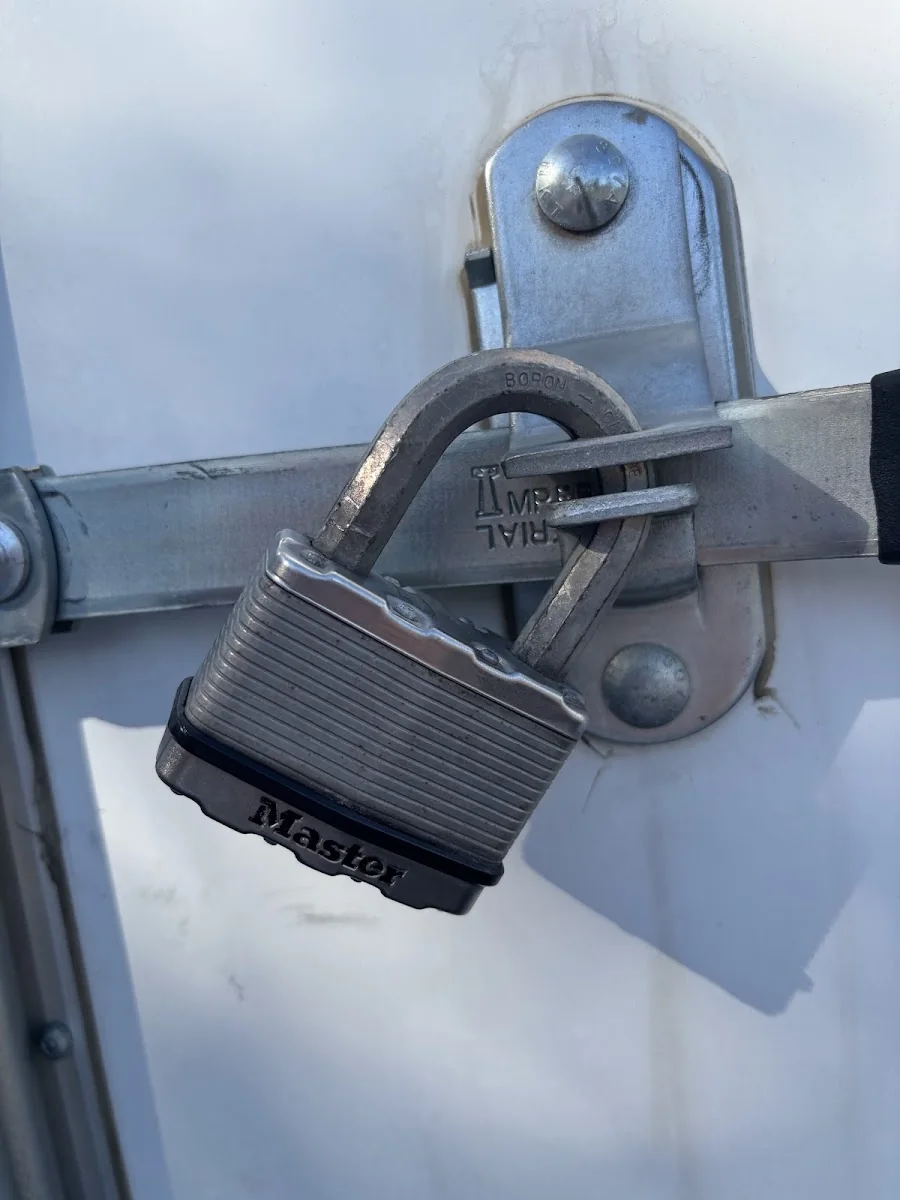
Name the building and its openings
A detached workshop may have a main door, a side entrance and separately locked storage inside. Do not describe access simply as the house key if the workshop uses a different arrangement. Identify what the recipient is authorized to enter and which credential serves each relevant opening. This prevents a convenient key handover from becoming an unclear assumption about access to every structure and cabinet on the property.
Describe the intended use
Explain whether the recipient needs occasional entry, regular work access or responsibility for closing the building after others leave. Those roles can justify different arrangements. A person who needs to collect one item does not necessarily need ongoing access to all stored equipment. Keep the agreement clear in a private record and avoid attaching detailed property information to the carried key itself.
Include the closing routine
Walk through the normal departure process for the workshop's actual hardware. If several openings are used during work, identify which need attention before leaving. Do not assume the recipient knows how a less familiar latch or padlock is normally secured. A brief demonstration can prevent an apparently completed visit from ending with one secondary opening overlooked because the handover focused only on the main entrance.
Coordinate shared users
If several people use the workshop, decide who manages spare keys, approves loans and records changes. Keep the process simple enough to maintain. A private access list can distinguish current users from people whose involvement ended months earlier. Do not use a shared key label as proof that everyone holding it has the same current permission; the actual arrangement needs periodic review.
Connect maintenance to the actual hardware
Keep the product information for workshop doors and storage locks separate from the main house's record. Schlage support is useful for identified Schlage components, while other products require their own instructions. When requesting service, describe the specific opening and confirm that the provider handles that hardware and scope. A good handover leaves both the user and the maintenance contact understanding the workshop's access arrangement as its own system.
Before you call
- Identify the workshop and each included access point.
- Demonstrate the complete departure and securing routine.
- Assign responsibility for spare keys and shared-user changes.
Follow-up questions
Should the workshop key automatically be added to every household spare ring?
Decide according to actual access needs. Convenience alone does not establish that every recipient requires entry to the workshop or its separately secured storage.
What matters if the workshop has both a door lock and equipment cabinets?
Treat the openings separately and identify which are included in the handover. A working building key does not necessarily authorize or operate every internal storage lock.
Official reference
Schlage: product support and FAQs ↗
Official product support. Identify your exact hardware before following installation or troubleshooting instructions.
Published by AID Locksmith, owned by Allan, serving Greater Sacramento. General service checklists are editorial guidance; product instructions apply to the named model.